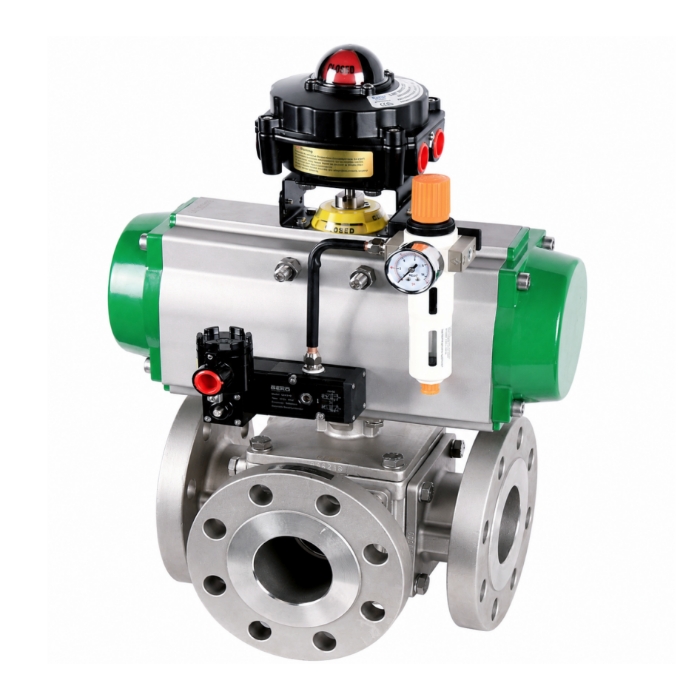
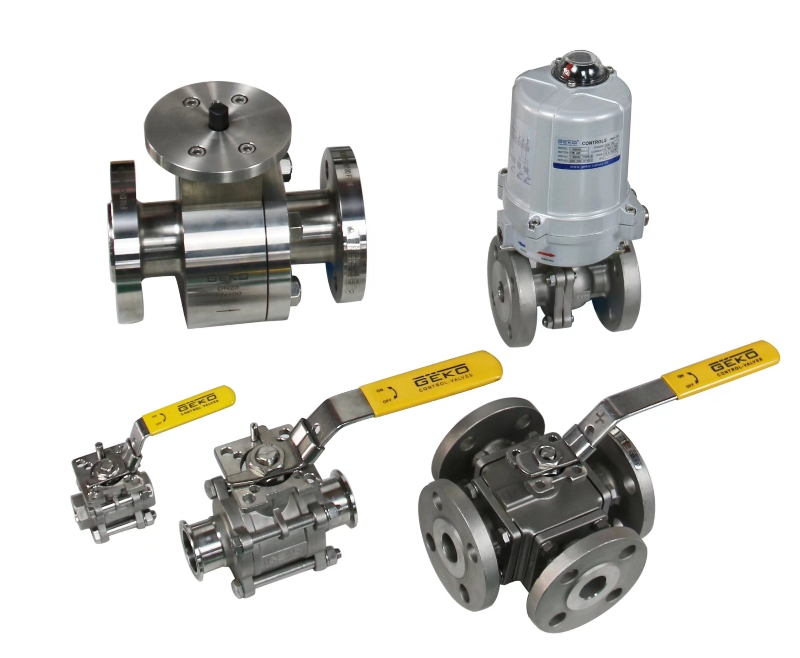
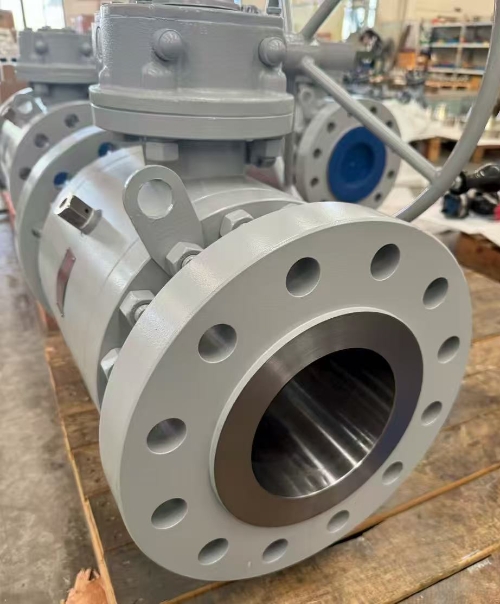
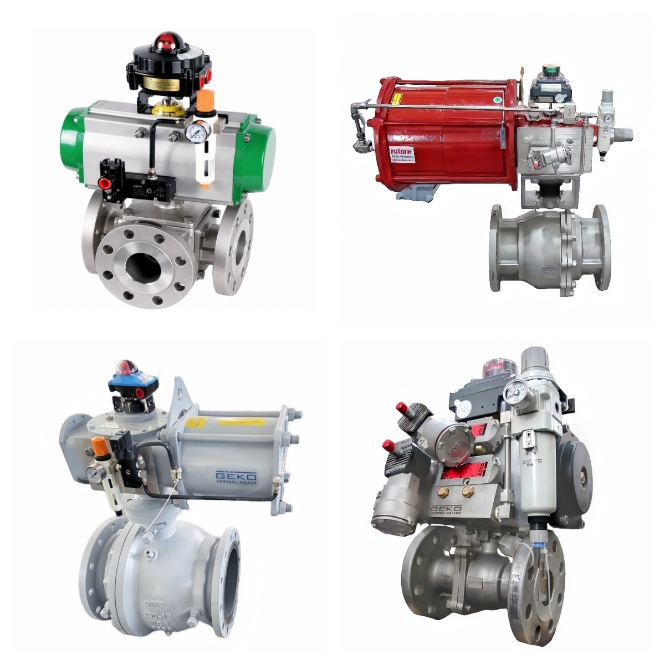
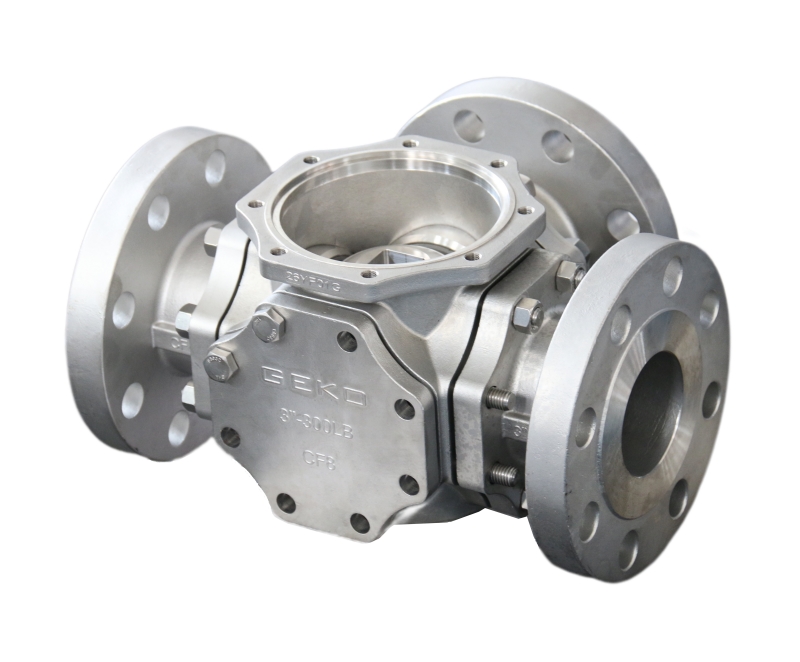
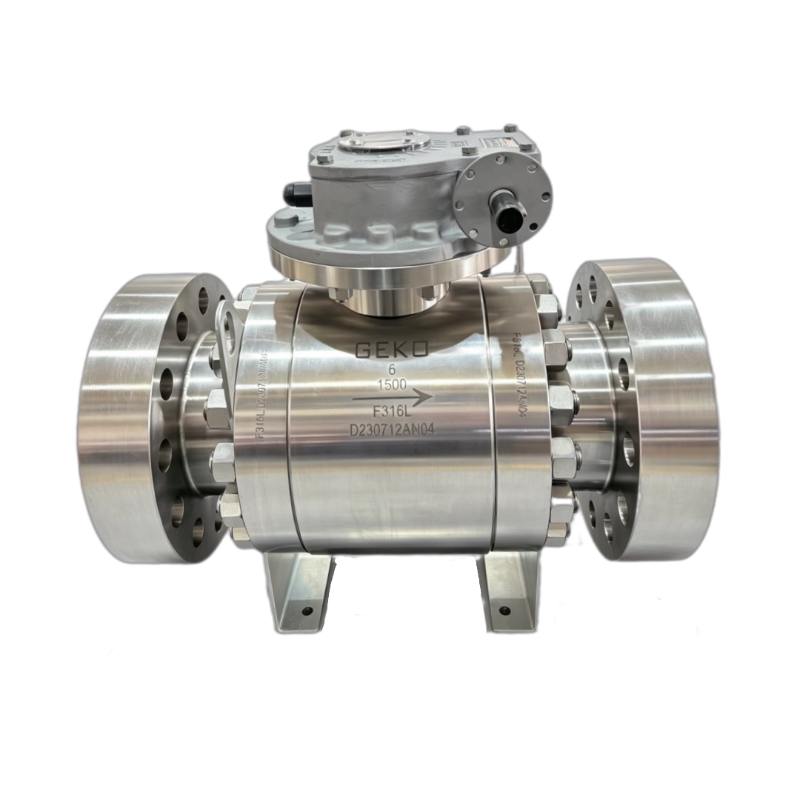
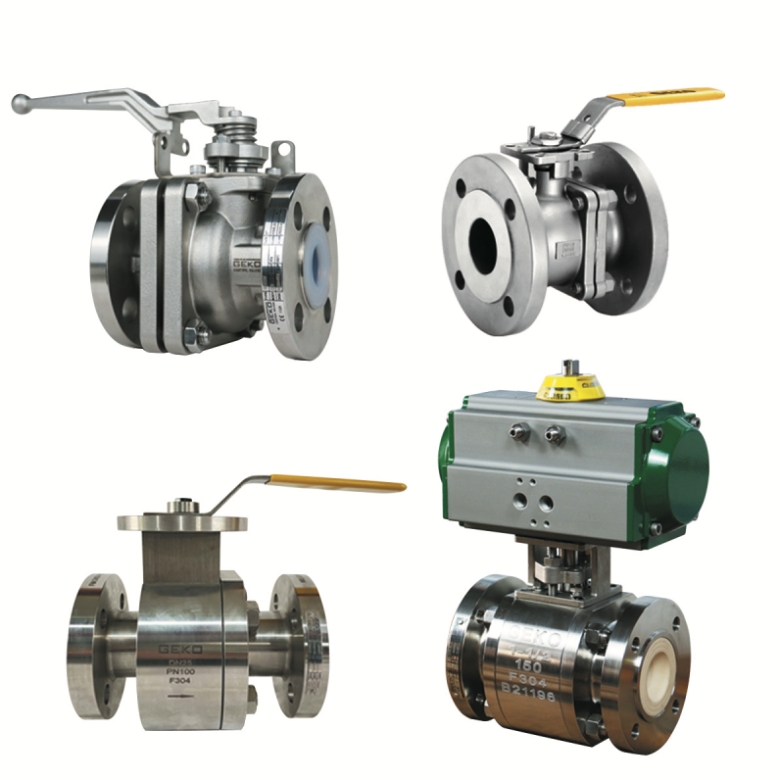
金属密封球阀

主页

金属密封球阀

  • Ball Valve Selection Made Easy: Types, Applications, and Tips | GEKO Valve
    Ball Valve Selection Made Easy: Types, Applications, and Tips | GEKO Valve
    Sep 13, 2026
      Ball Valve Selection Made Easy: Types, Applications, and Tips Ball valves are the most versatile fluid control devices in modern industrial piping systems. Known for their quarter‑turn fast operation, bubble‑tight shutoff, compact structure, and long service life, ball valves are widely used to isolate or regulate gas, liquid, and slurry media across various industries. However, due to multiple valve structures, sealing types, bore sizes, and actuation options, many engineers and purchasers face confusion during selection. This article simplifies ball valve selection by clarifying common ball valve types, typical industrial applications, and practical selection tips to help you choose the correct industrial ball valve for your working conditions.   1. Common Types of Industrial Ball Valves Understanding ball valve classification is the foundation of correct selection. Industrial ball valves are mainly divided by structure, bore design, sealing method, and operation type. 1.1 Floating Ball Valve vs Trunnion Mounted Ball Valve Floating ball valves feature a free‑floating ball that relies on medium pressure to achieve sealing. With a simple structure and cost‑effective advantages, floating ball valves are ideal for small‑size, low‑pressure and medium‑pressure pipelines. They are widely used for general isolation and flow control in water treatment, HVAC, and light chemical systems.     Trunnion mounted ball valves adopt fixed upper and lower trunnions to lock the ball in place. This structural design greatly reduces operating torque and seat wear, allowing stable operation under large size, high pressure, and frequent cycling conditions. Trunnion ball valves are the preferred solution for heavy‑duty oil & gas pipelines, petrochemical process lines, and long‑distance transmission systems.   1.2 Full Port Ball Valve vs Reduced Port Ball Valve Full port ball valves have a straight bore identical to the pipe inner diameter, providing minimal pressure drop and allowing pipeline pigging. They are suitable for high‑flow pipelines and systems that require low flow resistance and easy pipeline maintenance. Reduced port ball valves have a smaller streamlined bore. They are lighter and more economical while meeting normal isolation requirements. Reduced port ball valves are widely used for general industrial pipelines where ultra‑low pressure drop and pigging are not required.   1.3 Soft Seated vs Metal Seated Ball Valve Soft seated ball valves use PTFE or other polymer materials for sealing, achieving bubble‑tight zero leakage at normal temperatures. They perform well in clean water, gas, and non‑abrasive chemical media and feature low operating torque and reliable sealing. Metal seated ball valves adopt metal‑to‑metal hard sealing with hardened or alloy‑coated seat surfaces. With high temperature resistance, high pressure resistance, and abrasion resistance, metal seated ball valves can handle abrasive slurry, thermal cycling, and corrosive media that soft seals cannot withstand. 1.4 Manual and Actuated Ball Valves Manual ball valves are suitable for low‑frequency operation and simple pipeline control. For automated industrial systems, pneumatic actuated ball valves and electric actuated ball valves are mainstream choices. Pneumatic ball valves offer fast switching and explosion‑proof performance, while electric ball valves support remote control and precise flow regulation for intelligent pipeline systems. 2. Industrial Applications of Ball Valves Different ball valve types correspond to specific industry scenarios. Matching valves based on process media, temperature, pressure, and operation frequency ensures stable long‑term performance. Water Treatment & HVAC: Soft seated floating ball valves and reduced port ball valves are commonly used for water supply, drainage, and air conditioning circulation pipelines. Chemical & Petrochemical Industry: Metal seated ball valves and anti‑corrosion ball valves are applied for corrosive, high‑temperature, and abrasive process media. Oil & Gas Transmission: Trunnion mounted ball valves and full port ball valves ensure safe isolation, low pressure loss, and convenient pipeline pigging. Power & Thermal Energy: High‑temperature resistant metal seated ball valves adapt to steam, thermal cycling, and high‑pressure working conditions. Automated Process Industry: Pneumatic and electric actuated ball valves realize automatic switching, remote monitoring, and intelligent flow control. 3. Practical Ball Valve Selection Tips Follow these simple and professional tips to avoid selection errors and improve pipeline system stability: Match structure with pressure and size: Choose floating ball valves for small low‑pressure pipelines and trunnion mounted ball valves for large high‑pressure service. Select sealing type by medium: Use soft seats for clean normal‑temperature media and metal seats for high‑temperature, abrasive, and corrosive media. Choose bore type according to flow demand: Select full port ball valves for low pressure drop and pigging requirements; use reduced port ball valves for cost‑effective general isolation. Select actuation mode reasonably: Use pneumatic actuators for explosion‑proof environments and electric actuators for remote intelligent control. Verify temperature and pressure rating: Always confirm valve class and material adaptability to extreme working conditions to prevent leakage and deformation. 4. Why Choose GEKO Valve Ball Valves GEKO Valve provides a full range of high‑performance industrial ball valves, including floating ball valves, trunnion mounted ball valves, full port and reduced port ball valves, soft seated and metal seated ball valves, as well as customized pneumatic and electric actuated ball valve packages. All valves are manufactured according to international standards, delivering stable sealing performance, low maintenance, and long service life for global industrial piping systems. 9 Core SEO Keywords: Floating Ball Valve, Trunnion Mounted Ball Valve, Full Port Ball Valve, Reduced Port Ball Valve, Metal Seated Ball Valve, Soft Seated Ball Valve, Pneumatic Actuated Ball Valve, Electric Actuated Ball Valve, Industrial Pipeline Ball Valve
    阅读更多
  • Mastering Ball Valves: A Comprehensive Selection Guide | GEKO Valve
    Mastering Ball Valves: A Comprehensive Selection Guide | GEKO Valve
    Sep 07, 2026
    Mastering Ball Valves: A Comprehensive Selection Guide Ball valves are foundational fluid control components in modern industrial piping systems, trusted for their exceptional sealing performance, fast quarter‑turn operation, compact structure, and long operational lifespan. From general commercial piping to heavy‑duty oil and gas, petrochemical, and power generation facilities, industrial ball valves deliver reliable isolation and flow regulation for countless process conditions. Mastering professional ball valve selection is critical to eliminate pipeline leakage, reduce pressure loss, avoid equipment jamming, and minimize long‑term maintenance costs. This comprehensive guide fully elaborates on ball valve classifications, core performance characteristics, industry‑specific applications, and authoritative selection standards to help engineers and buyers master accurate valve matching for all working scenarios. 1. Complete Classification of Industrial Ball Valves Industrial ball valves are classified by structural mechanism, bore specification, sealing configuration, and driving mode. Each category features unique performance advantages and exclusive applicable working conditions: 1.1 Structural Classification: Floating vs Trunnion Mounted Ball Valve Floating ball valves adopt a free‑floating ball design with a simple, compact structure and cost‑effective advantages. The ball moves slightly under medium pressure and tightly presses against the downstream sealing seat to achieve bubble‑tight shutoff. This structure is ideal for small‑size, low to medium‑pressure conventional pipelines, widely used for general isolation and conventional flow control in water treatment, HVAC, and light chemical systems. Trunnion mounted ball valves feature dual upper and lower trunnion fixed support, completely locking the ball in place. This design transfers medium pressure load to the trunnion shaft instead of the sealing seat, effectively reducing operating torque and seat wear. It is the preferred heavy‑duty solution for large‑size, high‑pressure, high‑cycle industrial pipelines, dominating long‑distance oil and gas transmission, petrochemical refining, and heavy industrial process systems. 1.2 Bore Classification: Full Port vs Reduced Port Ball Valve Full port ball valves are designed with a straight through bore matching the pipe inner diameter, achieving nearly zero flow resistance and minimal industrial ball valve pressure drop. They fully support pipeline pigging and cleaning operations, making them essential for high‑flow transmission pipelines, process main lines, and systems with strict energy‑saving and low‑loss requirements. Reduced port ball valves adopt a streamlined reduced bore structure, featuring lighter weight, smaller volume, and lower manufacturing costs. Although the flow passage is slightly smaller, it fully meets conventional isolation and flow control demands. It is the most cost‑effective choice for ordinary industrial pipelines without pigging and ultra‑low pressure drop requirements. 1.3 Sealing Classification: Metal Seated vs Soft Seated Ball Valve Soft seated ball valves utilize high‑performance PTFE and polymer composite sealing materials, achieving absolute zero leakage under normal temperature and clean medium conditions. With low friction and flexible switching performance, they are suitable for clean water, compressed air, natural gas, and non‑abrasive chemical media, ensuring stable and reliable daily operation. Metal seated ball valves adopt hard alloy surfacing on sealing surfaces, possessing excellent high‑temperature resistance, high‑pressure resistance, and abrasion resistance. They can stably adapt to harsh working conditions such as high‑temperature thermal cycling, abrasive slurry, and corrosive media, completely solving the problems of soft seal aging, deformation, and failure in severe industrial environments. 1.4 Driving Classification: Manual vs Actuated Ball Valve Manual ball valves are equipped with handles or gear operators, suitable for low‑frequency manual operation scenarios with low cost and simple maintenance. For modern automated industrial systems,pneumatic actuated ball valves and electric actuated ball valves are mainstream configurations. Pneumatic ball valves provide fast switching speed and excellent explosion‑proof performance, adapting to flammable and hazardous working environments. Electric ball valves support precise flow modulation and remote signal linkage, perfectly matching PLC, SCADA, and intelligent pipeline control systems. 2. Core Performance Parameters for Professional Selection Accurate ball valve selection relies on standardized parameter verification rather than simple size matching. Core parameters that determine valve applicability include: - Flow Capacity (Cv Value): Professional ball valve Cv calculation ensures the valve’s flow capacity matches system flow demand, avoiding flow bottlenecks and excessive pipeline pressure loss. - Pressure & Temperature Rating: Match valve pressure class and temperature resistance grade according to maximum working pressure and extreme medium temperature to prevent seal failure and valve deformation. - Actuator Torque Matching: Scientifically calculate ball valve actuator torque based on actual pressure difference to ensure sufficient switching power and avoid jamming or incomplete valve opening/closing. - Medium Compatibility: Select sealing and body materials according to medium corrosion, abrasion, and viscosity to achieve long‑term stable operation. 3. Industry‑Specific Application Matching Rules Different industries have distinct process characteristics, requiring targeted ball valve configuration schemes: - Water Treatment & HVAC Systems: Adopt soft seated floating ball valves and reduced port ball valves, balancing cost, sealing stability, and low maintenance performance. - Oil & Gas Transmission: Prioritize full port trunnion mounted ball valves to meet high‑flow, low‑loss, and pipeline pigging maintenance requirements. - Petrochemical & Chemical Industry: Deploymetal seated ball valves and anti‑corrosion ball valves for high‑temperature, corrosive, and abrasive process media. - Thermal Power & Metallurgy: Use high‑temperature and wear‑resistant metal seated ball valves to adapt to steam, high‑temperature flue gas, and slag media. - Intelligent Manufacturing Industry: Equip pneumatic and electric actuated ball valves to realize automatic control, remote monitoring, and intelligent pipeline management. 4. Advanced Selection Tips to Avoid Operational Risks To master ball valve selection thoroughly, it is necessary to avoid conventional misunderstandings and form standardized selection logic: - Never select valves only by nominal pipe size; always verify Cv flow coefficient to prevent insufficient flow capacity and excessive industrial ball valve pressure drop. - Distinguish application boundaries of floating and trunnion structures: floating ball valves for small low‑pressure pipelines, trunnion mounted ball valves for large high‑pressure heavy‑duty systems. - Strictly separate soft and metal sealing scenarios: soft seals for clean normal‑temperature media, metal seals for high‑temperature, abrasive, and harsh corrosive media. - Reserve sufficient safety margin for actuator torque under high‑pressure differential conditions to eliminate switching failure risks. - Choose full port valves for pipelines requiring pigging cleaning to ensure smooth later maintenance. 5. GEKO Valve Professional Ball Valve Solutions As a professional industrial valve manufacturer, GEKO Valve provides a full lineup of high‑performance ball valves, covering floating ball valve, trunnion mounted ball valve, full port & reduced port ball valve,metal seated ball valve, and customized actuated ball valve packages. We provide one‑stop professional services including ball valve Cv calculation and actuator torque verification, effectively controlling system pressure loss and ensuring stable and efficient operation of valves in complex industrial working conditions. All products comply with international industry standards, serving global industrial piping projects with high quality, low failure rate, and long service life. Core SEO Keywords: Trunnion Mounted Ball Valve, Floating Ball Valve, Metal Seated Ball Valve, Full Port Ball Valve, Reduced Port Ball Valve, Pneumatic Actuated Ball Valve, Electric Actuated Ball Valve, Industrial Ball Valve, High Pressure Ball Valve
    阅读更多
  • Ball Valve Selection Made Easy: Types, Applications, and Tips | GEKO Valve
    Ball Valve Selection Made Easy: Types, Applications, and Tips | GEKO Valve
    Sep 07, 2026
    Ball Valve Selection Made Easy: Types, Applications, and Tips Ball valves are the most versatile and widely used fluid control components in industrial piping systems. Known for their quarter‑turn fast operation, bubble‑tight shutoff, compact structure, and long service life, they replace traditional gate and globe valves in most process pipelines. However, with dozens of ball valve types and diverse working conditions, many engineers struggle with improper model selection, which leads to leakage, high pressure loss, actuator jamming, or short service life. This guide simplifies industrial ball valve selection by sorting core classifications, matching industry applications, and summarizing practical selection tips for beginners and professional procurement teams. 1. Common Types of Industrial Ball Valves Ball valves can be categorized by structural design, bore size, sealing method, and actuation mode. Each type has fixed applicable scenarios and performance limits: 1.1 Floating Ball Valve & Trunnion Mounted Ball Valve Floating ball valves feature a free movable ball structure with simple construction and cost advantages. The ball floats under medium pressure and presses tightly against the downstream seat to achieve sealing. This type is perfect for small‑size, low‑pressure and medium‑pressure conventional pipelines for general isolation and flow control. Trunnion mounted ball valves adopt upper and lower trunnion fixed support structures. The ball is locked in position, which greatly reduces operating torque and seat friction. It effectively adapts to large‑size, high‑pressure, and high‑frequency cycling working conditions, serving as the mainstream heavy‑duty pipeline ball valve for oil and gas, petrochemical, and long‑distance transmission systems. 1.2 Full Port Ball Valve & Reduced Port Ball Valve Full port ball valves have an inner bore consistent with the pipe diameter, delivering almost zero flow resistance and ultra‑low industrial ball valve pressure drop. They support pipeline pigging cleaning and are widely used in high‑flow transmission pipelines and systems requiring minimal energy loss. Reduced port ball valves adopt a smaller streamlined bore. With lighter weight and lower manufacturing cost, they meet daily isolation requirements for most conventional pipelines and help enterprises save project investment without strict low‑pressure‑drop demands. 1.3 Metal Seated Ball Valve & Soft Seated Ball Valve Soft seated ball valves use PTFE or polymer soft sealing materials to realize bubble‑tight zero leakage at room temperature. They are suitable for clean water, air, gas, and non‑abrasive conventional chemical media, with excellent sealing stability and low operating torque. Metal seated ball valves adopt hard alloy surfacing sealing surfaces, featuring high temperature resistance, high pressure resistance, and abrasion resistance. They can withstand abrasive slurry, thermal cycling, and high‑temperature corrosive media, solving the aging and failure problems of soft seals in harsh industrial environments. 1.4 Manual & Actuated Ball Valves According to operation modes, ball valves are divided into manual and automated types. Manual ball valves are simple and cost‑effective for low‑frequency operation pipelines. For intelligent industrial systems, pneumatic actuated ball valves and electric actuated ball valves are the mainstream choices. Pneumatic ball valves offer fast switching and explosion‑proof performance for dangerous working conditions, while electric ball valves support remote control and precise flow regulation, matching PLC and SCADA system linkage.   2. Typical Industrial Applications for Ball Valves Different ball valve types correspond to exclusive industrial scenarios. Matching valves based on industry characteristics is the core of correct selection: - Water Treatment & HVAC: Soft seated floating ball valves and reduced port ball valves are preferred for water supply, drainage, and central air conditioning circulation pipelines, pursuing cost‑effectiveness and stable sealing. - Chemical & Petrochemical Industry: Corrosive media and high‑temperature processes require metal seated ball valves and anti‑corrosion lined ball valves; high‑pressure transmission pipelines adopt trunnion mounted ball valves. - Oil & Gas Pipeline: Full port ball valves and heavy‑duty trunnion ball valves are widely used to ensure unobstructed medium transmission and support pipeline pigging maintenance. - Power & Metallurgy: High‑temperature steam, slag, and abrasive media require wear‑resistant metal seated ball valves to resist harsh working conditions and extend service life. - Intelligent Automated Factory: Pneumatic and electric actuated ball valves realize automatic switching and remote monitoring, suitable for batch and continuous production pipeline systems. 3. Practical Ball Valve Selection Tips (Beginner‑Friendly) Simplify the selection process with these core rules to avoid most engineering mistakes: - Confirm working conditions first: Clarify medium type, temperature, pressure, and operating frequency. High temperature and abrasion choose metal seats; clean normal temperature media choose soft seats. - Select structure by pressure and size: Small size and low pressure use floating ball structure; large size and high pressure must choose trunnion mounted ball valve. - Match bore type by flow demand: High flow rate, low pressure drop and pigging requirements choose full port ball valve; general isolation chooses reduced port to save cost. - Reasonably configure actuation mode: Explosion‑proof hazardous environments prioritize pneumatic actuation; remote intelligent control scenarios choose electric actuation. - Verify flow capacity and torque: Complete accurate ball valve Cv calculation and ball valve actuator torque matching to prevent jamming, incomplete switching or flow insufficiency. 4. How to Avoid Common Selection Failures Most valve failures are caused by incorrect selection rather than product quality problems. Avoid these typical errors: Do not only select models by pipe nominal size; insufficient Cv value will cause system flow bottlenecks and excessive industrial ball valve pressure drop. Do not use soft seated ball valves for high‑temperature abrasive media, which will lead to rapid seal aging and leakage. Do not equip small‑torque actuators for high‑pressure differential pipelines, resulting in unsmooth valve operation. For long‑distance transmission and frequent maintenance pipelines, avoid reduced port ball valves that cannot support pigging cleaning. 5. GEKO Valve Reliable Ball Valve Solutions GEKO Valve provides a full range of standardized and customized industrial ball valves, covering floating ball valve, trunnion mounted ball valve, full port & reduced port ball valve, metal seated ball valve, and pneumatic/electric actuated ball valve packages. We support professional ball valve Cv calculation and actuator torque matching services, strictly controlling pipeline pressure loss and ensuring stable valve operation for various complex working conditions. Our products serve global water treatment, chemical, oil & gas, power, and automated industrial projects with stable quality and low maintenance costs. Core SEO Keywords: Trunnion Mounted Ball Valve, Floating Ball Valve, Metal Seated Ball Valve, Full Port Ball Valve, Reduced Port Ball Valve, Pneumatic Actuated Ball Valve, Electric Actuated Ball Valve, Industrial Pipeline Ball Valve, High Pressure Ball Valve
    阅读更多
  • The Ultimate Guide to Ball Valves and How to Choose Them | GEKO Valve
    The Ultimate Guide to Ball Valves and How to Choose Them | GEKO Valve
    Sep 07, 2026
    The Ultimate Guide to Ball Valves and How to Choose Them Ball valves are the most widely used quarter-turn flow control devices in modern industrial piping systems, renowned for their bubble-tight shutoff, fast 90° operation, compact structure, and excellent long-term durability. From general water treatment and HVAC systems to high-pressure oil & gas pipelines, chemical processing, and thermal power plants, ball valves deliver reliable isolation and flow regulation for diverse working conditions. However, many engineers and procurement teams face frequent selection errors due to unclear distinctions between valve structures, sealing types, and actuation modes. This ultimate guide breaks down core ball valve classifications, working principles, key performance parameters, and step-by-step selection rules to help you pick the perfect industrial ball valve for your project. 1. What Is a Ball Valve? Core Working Principle A ball valve controls fluid flow by rotating a hollow, perforated spherical ball inside the valve body. When the ball’s bore aligns with the pipeline, the valve opens for full fluid passage; when rotated 90 degrees, the solid ball surface blocks the flow completely. Compared with gate valves and globe valves, ball valves feature simpler operation, lower industrial ball valve pressure drop, and better adaptability for automated control. With accurate ball valve Cv calculation, engineers can precisely match flow capacity to system requirements, avoiding flow bottlenecks and energy waste.   2. Main Types of Ball Valves (Core Structural Classification) Industrial ball valves are mainly categorized by ball support structure, bore design, sealing mode, and body configuration, covering all mainstream engineering models: 2.1 Floating Ball Valve vs Trunnion Mounted Ball Valve The biggest structural difference in industrial ball valves lies in ball fixation modes. A floating ball valve has an unanchored ball that floats freely under fluid pressure, pressing tightly against the downstream seat to achieve sealing. It features a simple structure, cost-effective price, and is ideal for small-size, low-to-medium pressure conventional pipelines. A trunnion mounted ball valve adopts upper and lower trunnion shafts to fix the ball, transferring fluid pressure load to the trunnion structure instead of the sealing seat. This design greatly reduces ball valve actuator torque, minimizes seat wear, and is the preferred solution for large-size, high-pressure, and high-cycle working conditions, widely applied in heavy-duty pipeline ball valve systems. 2.2 Full Port Ball Valve vs Reduced Port Ball Valve Bore size directly determines flow performance and pipeline applicability. A full port ball valve has an inner bore consistent with the pipe diameter, delivering ultra-low industrial ball valve pressure drop and supporting pipeline pigging cleaning, perfect for high-flow transfer lines and pipeline maintenance scenarios. A reduced port ball valve features a smaller inner bore, with lighter weight and lower manufacturing cost. It suits conventional isolation scenarios with no strict pressure drop requirements and no pigging demand, effectively saving project investment costs. 2.3 Metal Seated Ball Valve vs Soft Seated Ball Valve Sealing material determines the valve’s temperature, pressure, and media adaptability. Soft seated ball valves use PTFE or RTFE materials for bubble-tight zero leakage, suitable for clean, normal-temperature water, gas, and conventional chemical media. A metal seated ball valve adopts hard alloy surfacing sealing surfaces, resisting high temperature, high pressure, abrasive slurry, and frequent thermal cycling. It solves the failure problem of soft seal aging and deformation under harsh working conditions and is widely used in petrochemical, coking, and high-temperature industrial systems. 2.4 Actuated Ball Valve: Pneumatic & Electric Configurations For automated industrial systems, manual ball valves are upgraded to actuated ball valve packages, including two mainstream types: pneumatic ball valve (also named pneumatic actuated ball valve / pneumatic operated ball valve) and electric ball valve (also called electric actuated ball valve / motorized ball valve). Pneumatic models offer fast switching, explosion-proof performance, and high safety for hazardous environments; electric models support precise modulating control and stable remote signal linkage for PLC/SCADA systems. 3. Key Parameters Affecting Ball Valve Selection Blind selection by nominal pipe size is the most common engineering mistake. Standard ball valve selection must verify the following core parameters one by one: - Flow Capacity: Complete professional ball valve Cv calculation according to system flow rate, inlet and outlet pressure, and fluid viscosity to avoid oversizing or undersizing. - Pressure & Temperature Rating: Match the valve pressure class and temperature derating standard to adapt to maximum working pressure and extreme temperature changes. - Actuator Torque Matching: Calculate actual operating differential pressure to confirm ball valve actuator torque, reserve sufficient safety margin to prevent jamming or incomplete switching. - Media Compatibility: Select metal or soft sealing according to corrosive, abrasive, high-temperature characteristics of the fluid to avoid seal damage and leakage. - Pressure Drop Requirement: Choose full port ball valve for low-loss and pigging requirements, and reduced port ball valve for cost-saving conventional scenarios to control industrial ball valve pressure drop. 4. Step-by-Step Ball Valve Selection Process Follow this standardized workflow to select the most cost-effective and reliable ball valve for your system: Step 1: Confirm working conditions – Clarify fluid type, temperature, pressure, flow rate, and system functional requirements (isolation or modulation). Step 2: Determine structural type – Choose floating ball valve for small low-pressure pipelines and trunnion mounted ball valve for large high-pressure pipeline ball valve systems. Step 3: Select bore configuration – Adopt full port ball valve for high-flow low-loss scenarios and reduced port ball valve for general isolation. Step 4: Match sealing mode – Use soft seal for clean conventional media and metal seated ball valve for high-temperature abrasive and corrosive harsh media. Step 5: Confirm actuation mode – Select manual, pneumatic ball valve, or electric ball valve according to on-site power/air source conditions and automation needs. Step 6: Verify core parameters – Complete ball valve Cv calculation and ball valve actuator torque verification to ensure full compliance with system operating conditions. 5. Common Selection Mistakes & Avoidance Tips - Mistake 1: Selecting by pipe size only – Nominal size cannot represent flow capacity. Must rely on ball valve Cv calculation for accurate matching. - Mistake 2: Confusing full port and reduced port – Wrong bore selection leads to excessiveindustrial ball valve pressure drop or failed pipeline pigging. - Mistake 3: Unmatched actuator torque – Ignoring actual differential pressure causes insufficient ball valve actuator torque, resulting in unsmooth switching. - Mistake 4: Misapplied sealing structure – Using soft seals for high-temperature abrasive media leads to rapid aging and failure; harsh working conditions must adopt metal seated ball valve. 6. Industrial Applications of Ball Valves Different ball valve types correspond to exclusive industrial scenarios: floating ball valve and conventional soft-seal valves are widely used in water treatment, HVAC, and general chemical pipelines; heavy-duty trunnion mounted ball valve and metal seated ball valve serve oil & gas, petrochemical, thermal power, and mining industries; automated pneumatic ball valve and electric ball valve are core components of intelligent pipeline control systems, supporting remote monitoring and automatic adjustment. 7. Why Choose GEKO Valve Ball Valves GEKO Valve provides a full range of customized industrial ball valves, including floating ball valve, trunnion mounted ball valve, full port ball valve, reduced port ball valve, metal seated ball valve, and automated actuated ball valve packages (pneumatic and electric). We provide professional ball valve Cv calculation and ball valve actuator torque verification services, effectively controlling industrial ball valve pressure drop for each project. All products comply with international standards, with stable performance, long service life, and low maintenance costs, providing reliable fluid control solutions for global industrial piping systems. Core SEO Keywords: floating ball valve, trunnion mounted ball valve, full port ball valve, reduced port ball valve, metal seated ball valve, pipeline ball valve, ball valve Cv calculation, industrial ball valve pressure drop, ball valve actuator torque, pneumatic ball valve, electric ball valve, actuated ball valve
    阅读更多
  • 球阀选型常见错误及避免方法 | GEKO阀门
    球阀选型常见错误及避免方法 | GEKO阀门
    Aug 16, 2026
    常见的球阀选型错误及避免方法球阀尺寸选择不当是导致工艺性能差、阀座过早磨损、压降过大、气蚀、噪音以及计划外停机等诸多问题的最常见根本原因之一。许多工程师和采购团队仅依赖公称管径匹配,而忽略了计算流量、流体特性、流速限制和压差等因素。无论指定 浮动球阀, 耳轴式球阀, 全通径球阀 或者 缩径球阀 多种型号,正确的尺寸选择能够平衡关闭完整性、流量稳定性、执行器性能和总体拥有成本。GEKO阀门支持精确的尺寸选择。 球阀 Cv 值计算为工业、化工、电力和石油天然气管道系统(包括重型管道系统)提供孔径选择指导和特定应用工程审查。 管道球阀 程序集。错误1:仅根据管道公称尺寸确定尺寸,忽略了流量系数和压降最常见的错误是在未进行适当设置的情况下,自动选择与相邻管道公称尺寸相同的球阀。 球阀 Cv 值计算标称尺寸并不能直接决定流量; 全通径球阀 和 缩径球阀 相同的 NPS 却会产生截然不同的 Cv 值。这种疏忽会导致两种代价高昂的后果:规模过大或规模过小,并直接影响…… 工业球阀压降 贯穿整个管道回路。 如何避免首先,根据工艺数据(流量、进/出口压力、工作温度、流体密度和粘度)计算所需的 Cv 值。将计算出的 Cv 值与阀门的公布 Cv 值相匹配,而不仅仅是管道直径。错误 2:混淆全端口和缩减端口的 Cv 值买家通常认为某个NPS球阀能够提供全通径流量,但实际选择后却发现,所选的缩径(标准通径)球阀内径更小,Cv值也更低。缩径球阀虽然更轻、更便宜,但会产生更高的…… 工业球阀压降 并可能限制清管作业 管道球阀 安装。如何避免明确说明 全通径球阀 对比 缩径球阀 请查阅数据表。要求提供与具体孔径配置相对应的已公布的 Cv 值。对于清管作业、低损耗输送管线和高流量隔离,请选择全通径;当可以接受一定的压力损失且需要优化成本/重量时,可以使用缩径。错误三:控制球阀尺寸过大用于调节工况的过大球阀通常以极小的行程运行,开度通常只有 10% 到 20%。这会导致阀体振荡不稳定、控制性差、局部流速过高而加速阀座侵蚀,并且需要更大、更昂贵的执行器。许多设计人员为了“安全裕度”而选择过大尺寸的球阀,却没有进行流量模拟,这种风险同样适用于…… 浮动球阀 和 耳轴式球阀 设计。如何避免目标运行行程为正常设计流量下的 40%~70%。工程计算中应​​预留安全裕度,而不是随意增大阀体尺寸。确认 球阀执行器扭矩 是在实际运行压差下,而不是在系统最大压力下。错误 4:尺寸过小和流速过高尺寸过小的球阀会成为流动瓶颈,导致液体流速、湍流、噪音、腐蚀和空化增加,以及可压缩介质的阻塞流动。这会损坏阀座、球体和阀内件,并迫使泵或压缩机消耗额外的功率。阀座损坏的风险尤其明显。 金属密封球阀 适用于高速磨蚀介质的样式。如何避免:应用行业规定的液体、气体和蒸汽流速限制。在规范制定阶段早期检查空化和阻塞流情况。如果无法通过增大孔径消除高流速,则应考虑分级减压或防空化修整,尤其对于…… 金属密封球阀 选择。错误 5:将气体/蒸汽尺寸计算与液体尺寸计算混为一谈液体尺寸计算公式不适用于可压缩流体。气体、蒸汽和蒸汽的密度随压力变化,因此必须考虑阻塞流和膨胀系数。将液体 Cv 值方法应用于气体介质会产生非常不准确的尺寸计算结果,这将严重影响您的计算结果。 球阀 Cv 值计算 并膨胀 工业球阀压降.如何避免:采用可压缩流体尺寸方程计算气体和蒸汽的尺寸。区分非阻塞流和阻塞流状态,并验证出口压力和临界压力比。错误 6:更换尺寸时忽略面对面尺寸即使公称尺寸 (NPS) 和压力等级匹配,不一致的端面尺寸或端到端尺寸也会在改造过程中造成装配问题。这种常见错误会延误调试,并需要对任何部件进行返工或修改。 浮动球阀, 耳轴式球阀 或者 管道球阀 替代品。如何避免:请参考 ASME B16.10 标准,并在订购替换球阀之前确认端面长度、端部连接类型(法兰连接、螺纹连接、对接焊连接)和法兰标准。错误7:忘记压力等级和温度降额仅根据环境压力额定值选择阀门而不考虑压力-温度降额效应存在安全隐患。ASME B16.34 额定值会随着温度升高而降低,阀门必须在最高工作温度下保持适用性,而不仅仅是在低温条件下——此规则适用于软密封和软密封阀门。 金属密封球阀 型号相似。如何避免:根据适用的压力-温度表降低阀门的额定值,并确认阀门的额定值涵盖最坏情况的工作点。错误 8:忽略执行器扭矩与实际压差的匹配正确选择阀体尺寸但选择尺寸过小的执行器是常见的疏忽。分离扭矩取决于阀座摩擦力、介质压力和温度,而不仅仅是标称尺寸。不足之处 球阀执行器扭矩 导致运行缓慢、行程故障或关闭不完全。如何避免请求提供设计压差和最大压差下的扭矩曲线。包括冷启动、高粘度介质和循环工况下的安全裕度。验证 球阀执行器扭矩 输出扭矩与脱离扭矩和运行扭矩值的关系 耳轴式球阀 或者 浮动球阀.适用于工程师和采购人员的成熟球阀选型工作流程收集完整的工艺数据:流量、P1、P2、温度、流体类型、密度、粘度、蒸汽压定义服务目标:仅隔离还是调节控制计算所需简历(正式版) 球阀 Cv 值计算 并检查流速、空化或阻塞流风险选择 全通径球阀 或者 缩径球阀 并核实该孔的已发布简历。确认压力等级、材质、压力-温度降额系数和端面间距;具体说明 金属密封球阀 如果预计会遇到高温或腐蚀性环境。使用实际压差来测量执行器尺寸 球阀执行器扭矩 值在发布询价单之前,务必与制造商的应用工程部门进行验证,尤其是对于关键应用。 管道球阀 项目GEKO阀门如何防止尺寸选择错误GEKO Valve 的工程团队会预先审查工艺参数,以避免最常见的球阀选型陷阱。我们提供 Cv 数据。 全通径球阀 和 缩径球阀, 耳轴式球阀 和 浮动球阀扭矩验证、ASME/API尺寸符合性以及与流体化学和温度相符的材料选择,包括稳健性 金属密封球阀 和 管道球阀 多种选择。我们的预购尺码审核可以发现尺码过大/过小的问题、速度隐患以及 球阀执行器扭矩 在制造开始前消除不匹配,减少现场返工,延长阀门使用寿命,同时控制不必要的故障 工业球阀压降 通过准确 球阀 Cv 值计算.最终尺寸核对清单使用适当的方法从过程数据中计算 Cv 值。 球阀 Cv 值计算不要使用默认的管道尺寸明确指定 全通径球阀 或者 缩径球阀检查液体空化和气体阻塞流动情况;选择 金属密封球阀 必要时验证安全流体速度,以减少侵蚀、噪音和过载。 工业球阀压降在最高工作温度下降低压力等级匹配 球阀执行器扭矩 实际运行压差确认改造工程的端面长度和端部连接标准 浮动球阀, 耳轴式球阀 或者 管道球阀通过超越简单的管道尺寸匹配,采用数据驱动的球阀尺寸确定方法,项目团队可以实现稳定的流量控制,最大限度地减少磨损和噪音,并避免安装后昂贵的返工。SEO关键词: 浮动球阀、耳轴式球阀、全通径球阀、缩径球阀、球阀 Cv 值计算、工业球阀压降、球阀执行器扭矩、金属密封球阀、管道球阀
    阅读更多
  • 管道系统球阀采购的关键因素 | GEKO阀门
    管道系统球阀采购的关键因素 | GEKO阀门
    Aug 02, 2026
    球阀广泛应用于石油化工、电厂、水处理、天然气和供热管网等工业管道系统中,作为截止部件。许多采购商在采购时仅比较价格和公称尺寸,而忽略了关键的技术指标。球阀选型不当往往会导致密封失效、介质泄漏、频繁维护和管道意外停机,从而造成额外的长期运营损失。本文概述了在为管道系统采购球阀时的所有关键因素,以帮助采购工程师和项目设计师做出经济高效、可靠的采购决策。  1. 明确管道系统的实际工作条件在购买球阀之前,工作参数是首要的基准。所有配置都必须符合现场使用条件。介质:清水、蒸汽、燃油、天然气、腐蚀性化学品或含有固体颗粒的浆液。介质特性决定阀体和阀座的材料。工作温度:低温、环境温度或高温工况工作压力:额定压力、最大压力波动和所需关闭压力功能要求:简单的开/关切断或连续流量调节流量需求:根据流量需求选择全通径或缩径球阀  2. 选择合适的球阀结构类型不同的结构球阀适用于不同的管道应用场景。浮动球阀:结构简单,成本有竞争力,适用于中低压小口径和中口径管道。耳轴式球阀:固定球体设计降低了操作扭矩,在高压和大直径管道中表现出色,广泛用于长距离气体输送和重型工业过程管道。三片式球阀:模块化分体阀体设计。操作人员无需将整个阀门从管道上拆卸即可完成在线维护,非常适合需要定期检查的系统。顶部进风球阀:无需拆卸法兰即可从阀门顶部进行维护,是埋地管道和加油站的首选。  3. 确认阀体及阀内件材料兼容性材料不相容是导致球阀过早损坏的主要原因之一。WCB碳钢:适用于一般油、高温蒸汽和非腐蚀性介质,常见于电厂辅助管道。SS304 / SS316 不锈钢:耐水、弱酸和弱碱性化学流体。双相不锈钢:适用于海水、盐水和强腐蚀性环境。合金钢:高温、高压和氢气工艺工作条件。  4. 选择合适的座圈密封类型阀座设计直接影响阀门的密封性能和使用寿命。软座(PTFE、RPTFE、PEEK):密封性能好,耐化学腐蚀,适用于200℃以下的清洁介质。金属对金属硬密封:耐高温、耐磨损,适用于蒸汽、高速流体和含颗粒杂质的介质。 5. 确定管道连接形式根据安装标准、压力等级和维护频率选择端部连接方式:法兰连接:易于拆卸,密封稳定,广泛用于大型工业管道。螺纹连接:主要用于低压辅助管道的小型阀门对接焊和承插焊连接:密封性极佳,适用于高压、高温和易燃危险介质  6. 选择执行器类型根据管道系统的自动控制要求选择合适的执行器:手动球阀(手柄/齿轮操作):适用于切换频率较低的管道气动球阀:动作迅速,可选防爆结构,是自动化生产线的主流选择电动球阀:适用于无压缩空气的场所,易于远程PLC控制液压执行器:适用于大直径高扭矩球阀 7. 检查基本安全辅助配置对于危险介质管道,标准安全附件不可省略:防火结构防静电装置防爆杆打开/关闭锁定装置  8. 平衡初始成本和长期服务性能许多采购者往往优先考虑价格。低价球阀通常采用劣质原材料和粗糙的加工工艺。虽然前期投入成本低,但频繁的零件更换、泄漏处理和停产会显著增加总成本。建议对使用寿命、维护周期、备件供应情况和厂家售后支持进行全面评估。 9. 核实供应商资质和认证标准认证可保证工业管道项目的产品质量:常用认证要求:API 6D、ISO、CE、防火认证。确认制造商是否能够提供材料测试报告(MTR)、检验文件和现场技术支持。 结论为管道系统采购球阀需要系统地评估工作条件、阀门结构、材料、密封性、连接方式、执行器和安全设计,而不是简单地比较价格和尺寸。GEKO阀门提供全系列浮动球阀、耳轴式球阀、三片式球阀和顶入式球阀,并提供多种材质选择。我们为电力、石油化工、水处理和燃气行业的管道系统项目提供技术支持。欢迎联系我们的工程团队,获取专业的球阀采购咨询服务。
    阅读更多
  • 如何为工业应用选择合适的球阀 | GEKO阀门
    如何为工业应用选择合适的球阀 | GEKO阀门
    Aug 02, 2026
    球阀是现代工业系统中应用最广泛的截止阀和控制阀之一。球阀采用球形阀芯,具有直通式流道,可实现快速四分之一圈操作、低流阻、可靠的严密关闭和简便的维护。然而,由于球阀的设计类型、阀体材料、压力等级和密封方案种类繁多,许多工程师难以选择适合特定工艺介质、运行条件和项目预算的球阀。本指南详细分析了如何为工业应用选择合适的球阀的所有关键因素,以避免过早失效、计划外停机和过高的运营成本。  1. 确认工作条件参数球阀选择的第一步是明确核心运行数据,这为所有后续配置决策奠定了基础。工作介质:水、天然气、蒸汽、油、化学溶剂、浆料、腐蚀性流体或低温介质。介质特性决定阀体、阀内件和阀座的材料。工作压力:额定压力、最大关闭压力和可能的压力波动。选择相应的压力等级(150级、300级、600级、PN16、PN25、PN40等)。工作温度:低温、常温、中温或高温。温度直接限制了可用密封材料的种类。流量要求:仅支持完全关闭或部分流量调节。标准球阀针对开关操作进行了优化;建议使用分段式V型球阀进行流量调节。流量和管道尺寸:使阀门孔径与管道直径相匹配;据此选择全通径或缩径设计。  2. 选择球阀阀体设计样式工业球阀根据不同的应用场景,分为多种结构设计:浮球阀该球体仅由两个支座支撑。结构简单,经济高效。最适用于低压和中压管道。广泛应用于水处理、供热系统和一般化工管道。耳轴式球阀固定球阀由上下耳轴支撑。阀座摩擦力小,在高压和大直径工况下性能优异。是天然气输送、石油化工和电厂管道的理想选择。三片式球阀模块化三件式阀体结构。无需将整个阀门从管道上拆卸即可轻松进行在线维护。适用于需要频繁检修的系统,例如食品加工厂和精细化工工厂。顶部进入式球阀无需拆卸法兰即可从阀门顶部进行维护,广泛用于地下管道和天然气站应用。 3. 车身及装饰材料选择材料与工艺介质的相容性对于防止腐蚀、侵蚀和泄漏至关重要。WCB碳钢:适用于高温蒸汽、普通油和非腐蚀性工业用水;广泛应用于电力和热力行业。SS304 / SS316 不锈钢:适用于水、弱酸、弱碱和常见化学介质。合金钢:适用于高温、高压和含氢工作环境。双相不锈钢:适用于海水、盐水和强腐蚀性环境。  4. 座圈和密封材料密封材料决定了密封性能和使用温度范围:PTFE / RPTFE:优异的耐化学性,适用于 200°C 以下的介质,一般工业洁净介质。尼龙、PEEK:耐磨性更高,适用于含有微小固体颗粒的介质。金属对金属密封:适用于高温、高压、高速流体和蒸汽环境,能够实现金属硬密封的紧密关闭。 5. 末端连接类型根据安装、维护和压力等级选择连接方式:法兰连接:拆卸方便,密封稳定;常用于大尺寸、高压工业管道。螺纹连接:主要用于低压辅助管道的小型阀门。对接焊/承插焊连接:非常适合高压、高温和危险介质,零泄漏风险。 6. 执行器选择手动操作或自动控制取决于系统设计:手动球阀(手柄/齿轮操作器):结构简单,成本低廉,用于偶尔的开关操作。气动球阀:切换速度快,可选防爆功能,是自动化工业过程中最受欢迎的选择。电动球阀:适用于无压缩空气的场所,方便远程PLC信号控制。液压执行器:适用于超大直径、高扭矩重型球阀。 7. 主要应用场景参考电厂辅助管道:耳轴式碳钢球阀,法兰连接,可选金属阀座,适用于高温介质水处理行业:浮动式不锈钢球阀,PTFE软密封天然气输送管道:带防静电和防火设计的耳轴式球阀化学腐蚀性介质:SS316 或双相钢球阀,带耐腐蚀软密封座食品饮料行业:带卡箍连接的卫生级不锈钢球阀 8. 重要的附加安全功能对于危险的工业工作环境,应考虑额外的配置:防火设计:防止火灾事故中密封件熔化导致大面积泄漏防静电装置:释放静电,避免易燃介质发生爆炸风险防爆阀杆:防止阀杆在内压作用下弹出锁定装置:锁定开启/锁定关闭位置,防止误操作 结论选择合适的工业球阀并非简单地匹配管道尺寸和压力等级。工程师需要全面评估工作介质、温度、压力、结构设计、材料、连接方式和驱动方式。选择不当会导致内部泄漏、运行卡滞、密封件快速老化和频繁维护。GEKO提供全系列浮动球阀、耳轴式球阀和三片式球阀,并采用多种材质配置,以满足电厂、石油化工、水处理、供热和天然气行业的定制化需求。欢迎联系我们的技术团队,获取专业的球阀选型支持,助力您的工业项目。
    阅读更多

留言

留言
如果您对我们的产品感兴趣并想了解更多详细信息,请在此处留言,我们会尽快回复您。
提交

主页

产品

接触