高压球阀

主页

高压球阀

  • Essential Buyer Guide for Sourcing Industrial Ball Valves | GEKO Valve
    Essential Buyer Guide for Sourcing Industrial Ball Valves | GEKO Valve
    Aug 08, 2026
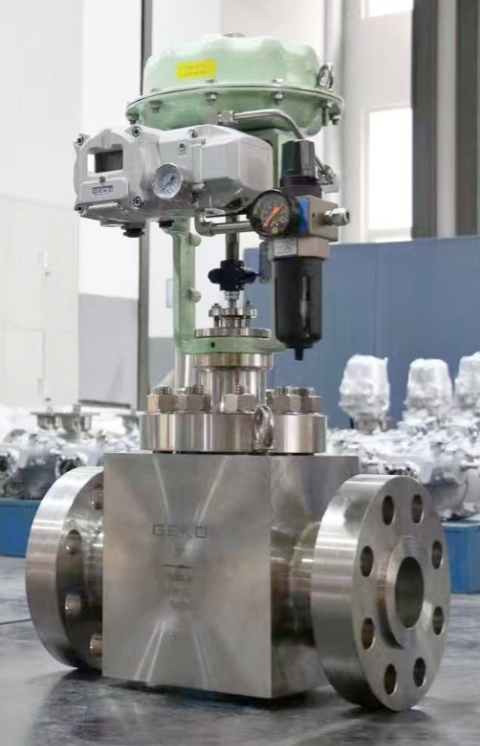
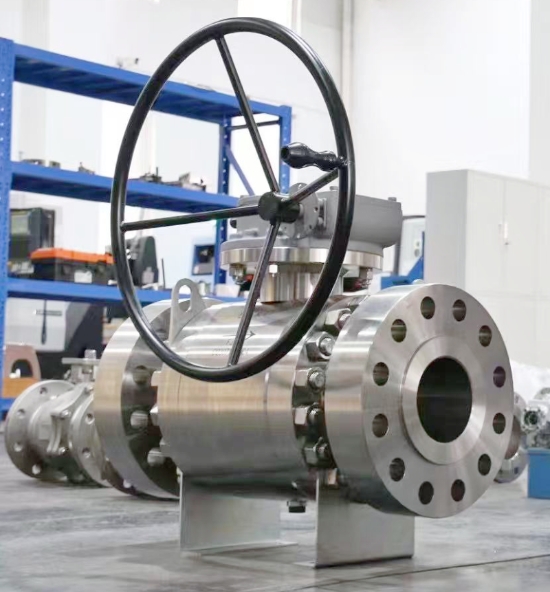
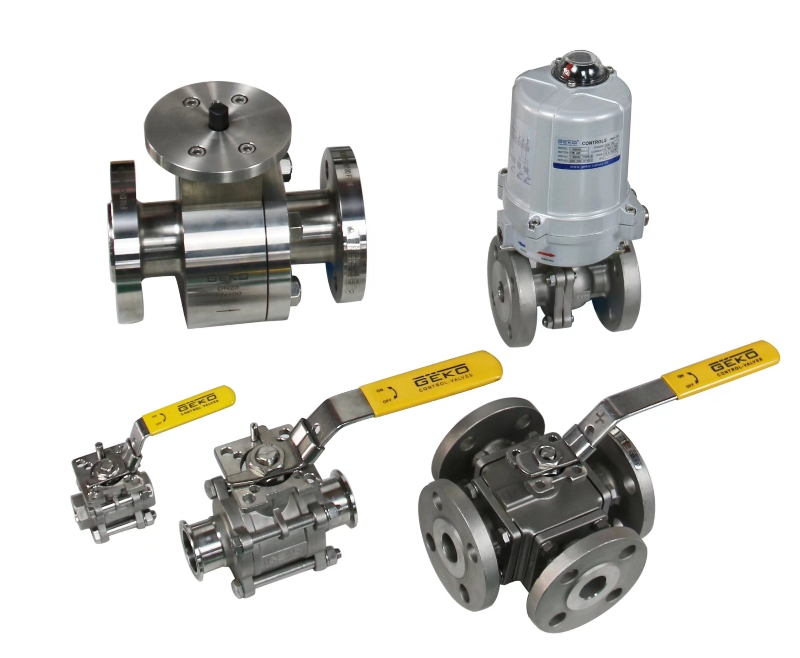
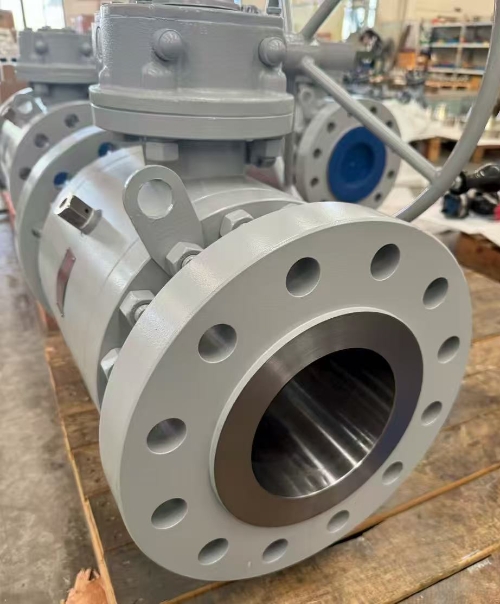
    Essential Buyer Guide for Sourcing Industrial Ball Valves Sourcing high-quality industrial ball valves is one of the most critical steps for industrial project procurement, pipeline system construction, and equipment maintenance. Many buyers focus only on price, size, and delivery time while ignoring core technical parameters, material compatibility, structural design, and supplier qualification verification. Improper sourcing leads to frequent valve leakage, seal failure, short service life, unplanned system shutdowns, and increased long-term operating costs.     This essential buyer guide covers every key step for sourcing reliable industrial ball valves, helping procurement engineers, project managers, and system integrators make cost-effective, safe, and compliant purchasing decisions for petrochemical, power plant, water treatment, natural gas, and chemical industrial piping systems.     1. Confirm Exact Working Condition Requirements Before Inquiry Vague technical requirements are the leading cause of wrong valve sourcing. Before contacting suppliers, buyers must clarify full on-site working parameters to ensure 100% model matching. - Fluid Medium: Clearly define clean water, steam, crude oil, natural gas, corrosive chemical liquid, slurry, or cryogenic medium. Medium properties determine valve body material, seal type, and anti-corrosion configuration. - Pressure & Temperature Range: Confirm nominal pressure, maximum instantaneous pressure surge, continuous working temperature, and extreme temperature conditions. Pressure class (Class150 to Class900) and temperature resistance directly decide valve structural safety. - Valve Function: Distinguish full shut-off service or proportional flow regulation service. Standard ball valves are for on/off isolation, while V-port ball valves are required for precise flow modulation. - Pipeline Specifications: Confirm pipe diameter, full port or reduced port demand, and end connection type including flanged, threaded, butt-weld, and socket weld. - Operation Mode: Select manual, pneumatic, electric, or hydraulic actuation according to automatic control system requirements and on-site power/gas conditions.   2. Select Correct Ball Valve Structure Type Different ball valve structures correspond to completely different application scenarios. Choosing the right structure avoids over-specification cost waste or under-specification safety risks. - Floating Ball Valve: Ideal for small-size, low-to-medium pressure general industrial pipelines. Simple structure and cost-effective for water treatment, light chemical, and common gas systems. - Trunnion Mounted Ball Valve: Designed for large-bore, high-pressure, and frequent switching working conditions. Features stable low torque and long service life, suitable for oil and gas transmission, power plant, and heavy petrochemical projects. - Three-Piece Ball Valve: Easy inline maintenance without pipeline disassembly, perfect for equipment requiring regular inspection and cleaning. - Specialized Ball Valves: Select V-port valves for flow regulation, sanitary valves for food and pharmaceutical industries, cryogenic valves for ultra-low temperature media, and multi-way valves for fluid diversion and mixing systems.   3. Verify Body and Seal Material Compatibility Material mismatch is the main reason for premature ball valve failure during operation. Buyers must confirm material standards based on actual medium characteristics: - WCB Carbon Steel: Suitable for steam, general oil, and non-corrosive medium in power plant auxiliary pipelines. - SS304/SS316 Stainless Steel: Applied for water, weak acid, alkaline, and general corrosive chemical media. - Duplex Steel: Used for seawater, brine, and strong corrosive working environments. - Soft Seat (PTFE/RPTFE/PEEK): Provides bubble-tight shut-off for clean medium under normal and medium temperature. - Metal-to-Metal Hard Seat: Adopted for high temperature, high pressure, abrasive slurry, and high-speed fluid conditions.   4. Check Standard Safety and Industrial Certifications Qualified industrial ball valves must comply with international industry standards to ensure project safety and pass engineering inspection. Professional sourcing must verify core certifications: - API 6D petroleum and natural gas industry standard - ISO 9001 quality management system certification - CE safety certification for European market - Fire-safe and anti-static certification for flammable medium pipelines - Material Test Report (MTR) and factory inspection report 5. Balance Purchase Cost and Long-Term Lifecycle Value   Many buyers only pursue low upfront purchase prices during sourcing. Low-cost ball valves usually adopt inferior raw materials, rough casting, and simplified sealing structures. Although the initial cost is low, they easily cause leakage, jamming, and frequent replacement, resulting in higher overall operation and maintenance costs. Professional sourcing requires comprehensive evaluation of valve service life, maintenance cycle, spare parts universality, and after-sales service response speed, prioritizing long-term stable operation value over temporary low price.   6. Evaluate Supplier Strength and Service Capability Excellent product quality depends on reliable manufacturers. When sourcing industrial ball valves, buyers should focus on factory strength rather than trading middlemen: - Professional valve manufacturing factory with complete production and testing equipment - Rich project experience in power, petrochemical, and water treatment industries - Support customized parameters, special material configuration, and OEM service - Stable delivery cycle and perfect after-sales technical support   7. Confirm Installation, Maintenance and After-Sales Terms Before finalizing orders, confirm detailed after-sales terms including product warranty period, on-site installation guidance, fault solution efficiency, and spare parts supply. Industrial ball valves belong to long-term pipeline supporting equipment, and perfect after-sales service can effectively avoid project delays caused by product faults. Common Sourcing Mistakes to Avoid - Selecting general-purpose valves for high-pressure, high-temperature or corrosive special working conditions - Ignoring material test reports and industry certifications for cost reduction - Matching only pipe size without considering pressure grade and flow requirements - Purchasing non-standard valves that cannot match mainstream pipeline systems and actuators   Conclusion Sourcing industrial ball valves is a systematic technical work that requires comprehensive consideration of working conditions, structural type, material configuration, safety certification, supplier strength and lifecycle cost, instead of simple price comparison. Standardized sourcing processes can effectively avoid product failure, project rework and economic losses. GEKO Valve is a professional industrial ball valve manufacturer providing floating ball valves, trunnion mounted ball valves, three-piece ball valves and special customized ball valves. We provide one-stop technical selection, customized production, stable delivery and full after-sales service for global industrial piping projects, becoming a reliable long-term sourcing partner for industrial buyers.
    阅读更多
  • 球阀的分类
    球阀的分类
    Jun 04, 2022
    球阀的启闭部分是一个带有圆形通道的球体,该球体绕垂直于通道的轴线旋转,并随阀杆一起旋转,从而实现通道的开启和关闭。球阀只需旋转90度即可紧密关闭,且扭矩很小。根据工况需要,可以组装不同的驱动装置,形成不同控制方式的球阀,例如电动球阀、气动球阀、液压球阀等。 根据结构可分为:  1. 浮动球阀  球阀的球体是浮动的。在介质压力的作用下,球体可以产生一定的位移,并紧紧压在出口端的密封面上,从而确保出口端的密封性。 浮动球阀结构简单,密封性能良好,但承载工作介质的滚珠全部传递到出口密封圈,因此需要考虑密封圈材料是否能够承受滚珠介质的工作载荷。这种结构广泛应用于中低压球阀。  2. 固定球阀  球阀的球体是固定的,受压后不会移动。固定球阀带有浮动阀座。介质加压后,阀座移动,使密封圈紧紧压在球体上,从而保证密封。球阀上下轴上通常装有轴承,操作扭矩小,适用于高压大口径阀门。 为了降低球阀的操作扭矩并提高密封性能,近年来出现了油封球阀。这种球阀在密封表面之间注入特殊的润滑油形成油膜,不仅增强了密封性能,而且降低了操作扭矩,更适用于高压大口径球阀。  3. 弹性球阀  球阀的球体具有弹性。球体和阀座密封圈均由金属材料制成,密封比压非常大。仅靠介质自身的压力无法满足密封要求,必须施加外部压力。这种阀门适用于高温高压介质。 弹性球是通过在其内壁下端开制弹性槽而获得的,从而赋予球体弹性。当通道关闭时,利用阀杆楔头撑开球体并压缩阀座,实现密封。转动球体前,松开楔头,球体即可恢复原状,使球体与阀座之间留有微小间隙,从而降低密封面的摩擦和操作扭矩。 常用的球阀分类方法如下: 按压力大小划分:高压球阀、中压球阀、低压球阀 按流道类型分类:全通径球阀、缩径球阀 按通道位置分类:直通式、三通式、直角式 按温度分类:高温球阀、常温球阀、低温球阀、超低温球阀 按密封方式分类:软密封球阀、硬密封球阀 按阀杆组装:顶部进风球阀、侧面进风球阀 按连接方式分类:法兰球阀、焊接球阀、螺纹球阀、卡箍球阀 按驱动方式分类:手动球阀、自动控制球阀(气动球阀、电动球阀、液压球阀) 按口径尺寸:超大口径球阀、大口径球阀、中口径球阀、小口径球阀。
    阅读更多

留言

留言
如果您对我们的产品感兴趣并想了解更多详细信息,请在此处留言,我们会尽快回复您。
提交

主页

产品

接触