大直径蝶阀

主页

大直径蝶阀

  • What Is the Role of a Butterfly Valve in Piping Systems? | GEKO Valve
    What Is the Role of a Butterfly Valve in Piping Systems? | GEKO Valve
    Oct 09, 2026
    What Is the Role of a Butterfly Valve in Piping Systems? Industrial and municipal piping networks transport liquids, gases and slurries across vast facilities, requiring reliable flow control hardware to keep operations safe and predictable. As a popular quarter-turn valve, the butterfly valve performs multiple core functions within piping systems. Its compact build, lightweight body and flexible operating modes make it a go-to choice for many pipeline designs, from large water mains to chemical processing lines. This article breaks down the key roles butterfly valves play in piping systems and where their strengths shine. 1. Fluid Isolation for Pipeline Maintenance & Emergency Shutoff One primary role of a butterfly valve is positive isolation. When a pipe segment, pump or downstream equipment needs inspection or repair, operators close the butterfly valve to fully cut off fluid flow. In emergency scenarios such as pipeline overpressure or equipment failure, it can rapidly shut down the line to prevent spillage and system damage. Lug and flange butterfly valves are commonly used for isolation duties, with PTFE or EPDM seats delivering tight shutoff performance. 2. Flow Throttling and Flow Regulation Beyond simple on/off service, butterfly valves are widely used for throttling flow. By rotating the disc to partial opening positions, the valve adjusts the cross-sectional flow area, controlling the volume and velocity of fluid moving through the piping. This function helps stabilize pressure and maintain consistent flow rates for processes like water distribution, HVAC circulation and chemical transfer. Note that precise throttling requires proper material selection to avoid disc erosion from high-speed media. 3. Pressure Control and Surge Mitigation Butterfly valves assist in managing pipeline pressure. Gradual opening or closing can moderate pressure spikes caused by pump start-up and shutdown. In large-diameter piping systems, slow-actuated butterfly valves help reduce water hammer effects that may damage pipe fittings and instruments. Pneumatic or electric actuators are often paired with butterfly valves for automated pressure regulation in modern piping networks.   4. Diversion and Flow Direction Switching In multi-branch piping layouts, sets of butterfly valves work together to divert fluid to different branches. For example, in water treatment plants, they switch flow between filter banks, or in district heating systems, they redirect hot water to different building zones. This eliminates the need to shut down the entire piping system when rerouting process media. 5. Backflow Prevention (Auxiliary Function) While butterfly valves are not dedicated check valves, properly specified butterfly valves can help limit unwanted reverse flow in certain low-risk piping applications. For critical backflow protection, they are usually combined with dedicated check valves as part of a complete piping safety assembly. Key Benefits of Butterfly Valves for Piping Networks Space-saving design: Much thinner than gate or globe valves, ideal for tight pipe rack installations Light weight: Reduces structural load on pipe supports, lowering overall project cost Fast quarter-turn operation: Manual lever, gear, pneumatic or electric actuation options available Wide size range: Works for both small process lines and large diameter main pipelines Corrosion-resistant options: Lined butterfly valves available for corrosive chemical media Selection Tips According to Piping Roles Choose resilient seated butterfly valves for water and wastewater isolation tasks. For corrosive fluids, PTFE lined butterfly valves are recommended. If automatic control is required, specify pneumatic or electric actuators to integrate with plant control systems. Confirm pressure class, flange standard and seat material to match your piping medium and operating temperature. Summary Within piping systems, butterfly valves serve five major purposes: fluid isolation, flow throttling, pressure management, flow diversion and auxiliary backflow control. Thanks to their compact footprint and versatile actuation choices, butterfly valves deliver dependable flow control across water, chemical, power and HVAC piping networks. Selecting the correct butterfly valve design ensures stable, long-term pipeline operation and reduces unplanned downtime.
    阅读更多
  • How Do Butterfly Valves Work in Water Treatment Plants? | GEKO Valve
    How Do Butterfly Valves Work in Water Treatment Plants? | GEKO Valve
    Oct 09, 2026
    How Do Butterfly Valves Work in Water Treatment Plants? Water treatment facilities rely on stable, cost-effective flow control equipment to manage raw water intake, chemical dosing, filtration, disinfection and effluent discharge. Butterfly valves are widely preferred across all stages of water treatment thanks to their compact size, fast quarter-turn operation, light weight and competitive pricing. Compared with bulky gate valves, butterfly valves save installation space and reduce structural load for large-diameter pipelines commonly seen in water plants. This article explains how butterfly valves function in key water treatment processes and their practical operational advantages. Core Working Principle for Water Treatment Service A butterfly valve uses a circular disc mounted on a central shaft. When the valve rotates 90 degrees, the disc turns parallel or perpendicular to fluid flow. At the fully open position, water flows with minimal resistance; at the closed position, the disc presses against the seat to shut off flow. Between open and closed angles, partial rotation enables throttling for controlled water flow rates. Most water treatment butterfly valves use resilient rubber seats such as EPDM, delivering bubble-tight shutoff for clean and wastewater media.   Typical Applications Inside Water Treatment Plants 1. Raw Water Intake & Pump Station Butterfly valves are installed at intake lines and pump outlets to isolate pipelines during pump maintenance. They quickly cut off raw water from rivers, lakes or reservoirs, protecting downstream filtration units. Large wafer or lug type butterfly valves are commonly selected here due to easy installation between pipe flanges. 2. Coagulation, Flocculation and Sedimentation Tanks Within sedimentation basins, butterfly valves regulate flow between treatment chambers. Operators adjust the disc angle to balance water velocity, supporting stable floc formation and solid settling. Manual or gear-operated versions are widely used for frequent on-off and moderate throttling tasks. 3. Filtration Systems Sand filters and activated carbon filter banks use butterfly valves to switch between filtration and backwash cycles. The valves isolate individual filter units so one tank can undergo backwashing without shutting down the whole treatment line. EPDM seats resist wear from periodic flushing and particle-laden water. 4. Disinfection and Chemical Dosing Lines For chlorine, sodium hypochlorite or pH adjustment chemical pipelines, lined butterfly valves prevent corrosion from chemical additives. They provide reliable isolation for maintenance of dosing skids and mixing chambers. 5. Effluent Discharge and Wastewater Outlet Before treated water is released, butterfly valves control discharge flow and act as emergency shutoff devices. Lug style butterfly valves are often chosen for end-of-line service, allowing blind flange isolation when required. Key Selection Considerations for Water Treatment Butterfly Valves Seat material: EPDM is standard for clean water; choose stronger wear-resistant seats for wastewater with suspended solids Body material: Ductile iron is the mainstream cost-effective option for water projects Actuation: Manual gearbox for occasional operation; pneumatic or electric actuators for automated plant SCADA control Pressure rating: Match pipeline working pressure and surge pressure from pump startup and shutdown Valve type: Wafer butterfly valves for compact installation; lug butterfly valves for dead-end service Advantages of Butterfly Valves in Water Plants Their lightweight design lowers pipeline support costs, while fast quarter-turn operation speeds up emergency shutdown. They are easy to automate for modern smart water plants, and require less maintenance than many alternative valves. The main limitation is that standard resilient seated butterfly valves are not suitable for high-pressure steam or highly abrasive heavy slurry, which needs other valve solutions. Summary From raw water intake through filtration, chemical treatment to final discharge, butterfly valves serve as versatile flow isolation and throttling components across the full water treatment workflow. Properly sized butterfly valves with suitable seat and body materials help water plants maintain stable operation, reduce downtime and cut overall project and maintenance costs.
    阅读更多
  • 什么是蝶阀?它的工作原理是什么?完整指南 | GEKO阀门
    什么是蝶阀?它的工作原理是什么?完整指南 | GEKO阀门
    Sep 20, 2026
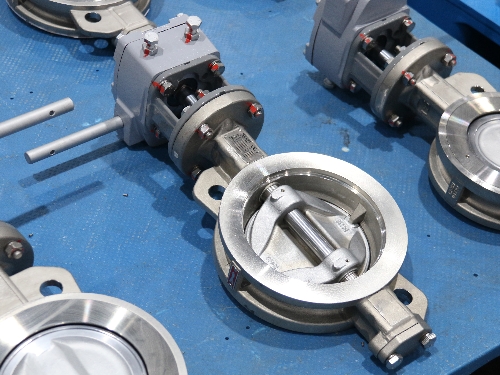
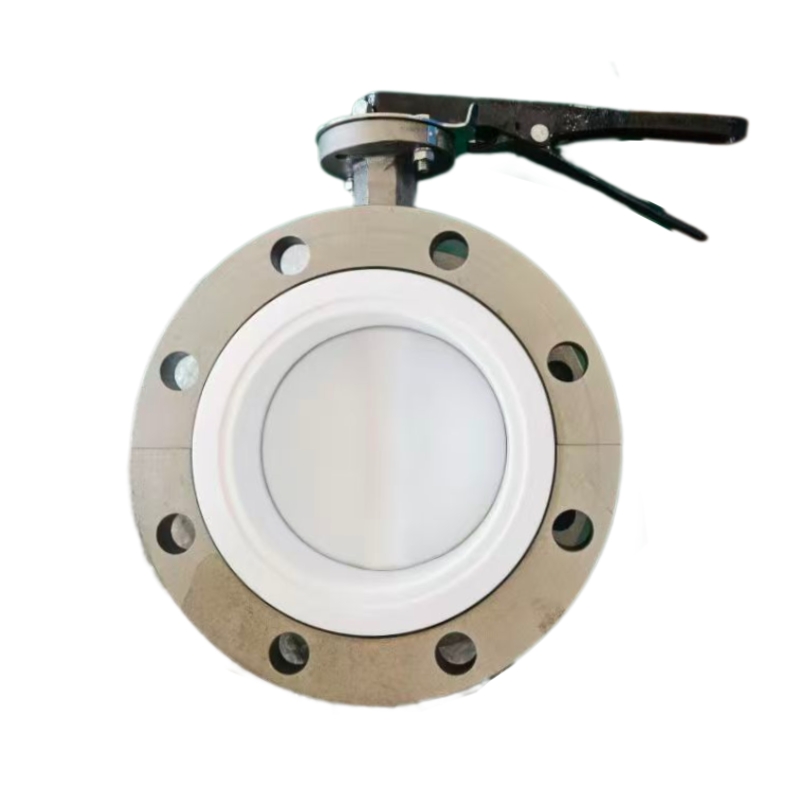
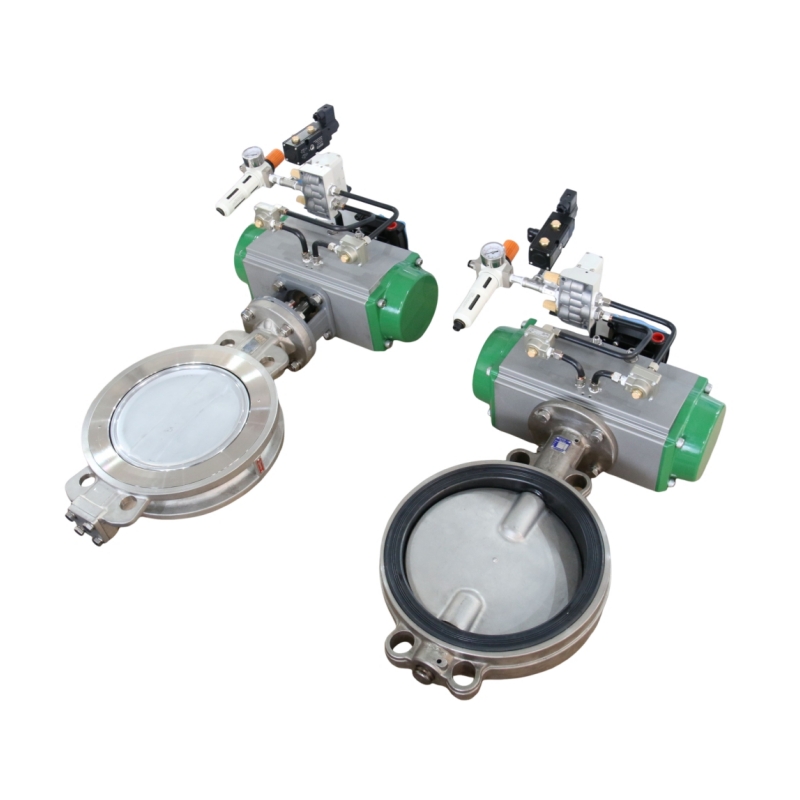
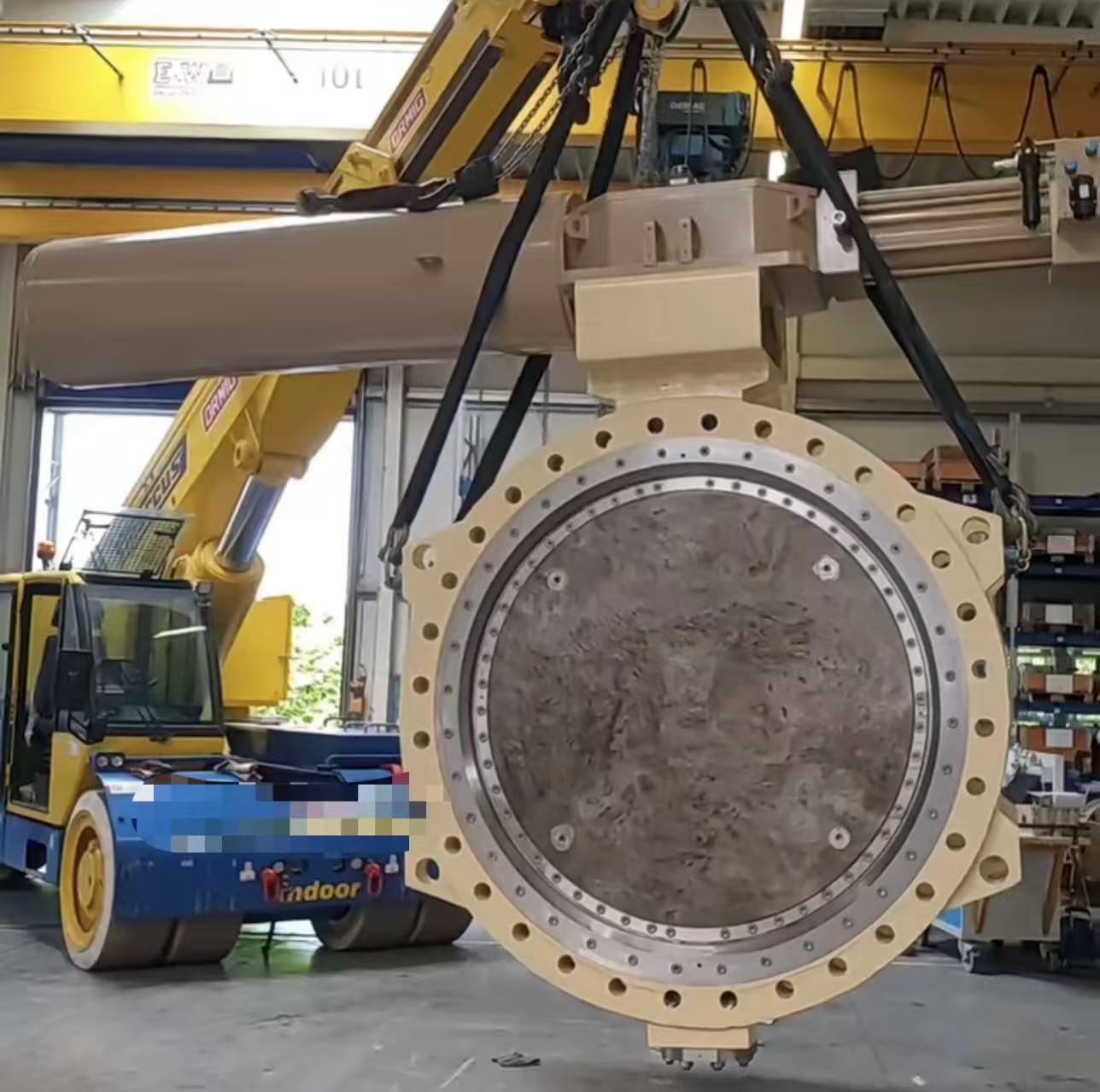
     蝶阀是一种高效的四分之一转流量控制装置,广泛应用于商业和工业管道系统。蝶阀以其超紧凑的结构、轻巧的设计、快速的操作和经济的优势而著称,其结构布局和工作原理与球阀、闸阀和截止阀有很大不同。它是大口径管道流量隔离、节流和调节的首选阀型。为了帮助工程师和采购人员在不同项目中准确应用蝶阀,本指南全面阐述了蝶阀的定义、内部结构、工作原理、阀芯类型和工业特性。1. 什么是蝶阀?蝶阀是一种旋转运动阀,它利用圆盘状的阀瓣来控制流体流量。其核心部件包括阀体、阀杆、蝶瓣和密封座。与传统的工业阀门相比,蝶阀具有阀瓣间距更短、重量更轻、安装空间更小等优点,因此非常适合球阀和闸阀体积庞大且成本高昂的大口径管道系统。工业蝶阀适用于液体、气体和低粘度流体介质,广泛应用于水处理、暖通空调、消防、化工、电力和市政工程系统。它们可实现全开、全关和部分流量节流,兼具隔离和调节功能。 2. 蝶阀的核心结构蝶阀的稳定运行取决于其结构系统的精确匹配。主要部件及其功能如下:阀体:主承压壳体,可采用铸铁、球墨铸铁、碳钢和不锈钢材料,承受整个管道的压力载荷。气门杆:连接执行器和蝶形盘的传动轴,传递旋转扭矩以驱动蝶形盘旋转。蝴蝶盘:核心流量控制组件,旋转 90 度以阻塞或打开流体通道;流线型盘片设计有效降低流动阻力。密封座:安装在阀体内壁上,包括橡胶软密封和金属硬密封类型,负责管道的严密关闭。驱动装置包括手动杆、齿轮、气动和电动执行器,用于控制阀门的切换和调节。3. 蝶阀的工作原理是什么?蝶阀的工作原理基于 90度四分之一圈旋转运动具有简单高效的操作逻辑:当阀门接收到开启信号时,执行器驱动阀杆和蝶形阀瓣水平旋转90度。此时,蝶形阀瓣与流体流动方向平行,管道形成完全开放的通道,流动阻力最小。关闭阀门时,阀瓣再次旋转90度,与流体流动方向垂直。阀瓣表面与密封座紧密贴合,完全阻断流体通道,实现管道隔离和严密关闭。除了完全打开和关闭外,蝶阀的阀瓣还可以保持在 0° 到 90° 之间的任何中间角度,实现精确的流量节流和压力调节,这使得蝶阀在流量控制性能方面优于闸阀。4. 按结构和密封方式划分的蝶阀主要类型根据密封形式和结构设计,工业蝶阀分为两大类,分别适应不同的工作条件:4.1 软密封蝶阀软密封蝶阀采用EPDM、NBR、Viton等弹性橡胶材料作为密封件,利用橡胶的弹性形变实现气密性零泄漏。该阀门成本低、密封性能好,适用于常温水、空气及常规非腐蚀性介质,广泛应用于市政给水、暖通空调和消防系统。4.2 金属密封蝶阀金属密封蝶阀采用金属对金属硬质密封结构,阀瓣和阀座表面均经合金硬面堆焊处理。该阀门具有耐高温、耐高压和耐磨损的特性,能够适应高温蒸汽、烟气和腐蚀性工业介质等工况,是重载工业严苛工况下的理想选择。4.3 晶片式蝶阀与凸耳式蝶阀晶片式蝶阀夹在两个管道法兰之间,超薄本体,节省空间,适用于紧凑型安装场景。蝶阀两侧带有螺纹凸耳,螺栓固定安装,支持单端管道维护和拆卸,方便工业管道大修。5. 手动与自动蝶阀操作蝶阀支持多种驱动模式,以满足不同的运行频率和自动化需求:手动蝶阀配备操纵杆或齿轮操作器,适合低频现场手动操作,经济实惠且易于维护。气动蝶阀:采用气压驱动,切换速度快,防爆性能优异,适用于危险的工业环境。电动蝶阀:由电动执行器驱动,支持远程控制、信号反馈和比例调节,与智能管道控制系统相匹配。6. 蝶阀的主要优点超紧凑轻便,节省安装空间和工程成本快速90度四分之一转操作,提高管道响应效率适用于大直径管道系统,总体成本低。隔离和流量节流的双重功能结构简单,易损件少,维护成本低。7. 蝶阀的工业应用蝶阀广泛应用于中低压、大流量管道应用场景,包括市政水处理、暖通空调制冷系统、消防管道系统、化工流体输送、电厂循环水系统以及环境保护废气和烟气处理工程。8. GEKO阀门高品质蝶阀解决方案GEKO阀门提供全系列工业蝶阀,包括对夹式和凸耳式、软密封和金属密封设计,以及手动、气动和电动蝶阀。我们的产品采用精密铸造和流线型阀瓣设计,具有密封性能稳定、操作灵活、工况适应性强等特点。所有阀门均符合国际工业标准,为全球市政和工业管道项目提供可靠的大口径流体控制解决方案。9个核心SEO关键词:对夹式蝶阀、凸耳式蝶阀、软密封蝶阀、金属密封蝶阀、气动蝶阀、电动蝶阀、大口径蝶阀、工业蝶阀、四分之一转蝶阀
    阅读更多
  • 什么是蝶阀?它的工作原理是什么?完整指南 | GEKO阀门
    什么是蝶阀?它的工作原理是什么?完整指南 | GEKO阀门
    Sep 17, 2026
     什么是蝶阀?它的工作原理是什么?完整指南蝶阀是一种高效的四分之一转流量控制装置,广泛应用于商业和工业管道系统。蝶阀以其超紧凑的结构、轻巧的设计、快速的操作和经济的优势而著称,其结构布局和工作原理与球阀、闸阀和截止阀有很大不同。它是大口径管道流量隔离、节流和调节的首选阀型。为了帮助工程师和采购人员在不同项目中准确应用蝶阀,本指南全面阐述了蝶阀的定义、内部结构、工作原理、阀芯类型和工业特性。1. 什么是蝶阀?蝶阀是一种旋转运动阀,它利用圆盘状的阀瓣来控制流体流量。其核心部件包括阀体、阀杆、蝶瓣和密封座。与传统的工业阀门相比,蝶阀具有阀瓣间距更短、重量更轻、安装空间更小等优点,因此非常适合球阀和闸阀体积庞大且成本高昂的大口径管道系统。工业蝶阀适用于液体、气体和低粘度流体介质,广泛应用于水处理、暖通空调、消防、化工、电力和市政工程系统。它们可实现全开、全关和部分流量节流,兼具隔离和调节功能。 2. 蝶阀的核心结构蝶阀的稳定运行取决于其结构系统的精确匹配。主要部件及其功能如下:阀体:主承压壳体,可采用铸铁、球墨铸铁、碳钢和不锈钢材料,承受整个管道的压力载荷。气门杆:连接执行器和蝶形盘的传动轴,传递旋转扭矩以驱动蝶形盘旋转。蝴蝶盘:核心流量控制组件,旋转 90 度以阻塞或打开流体通道;流线型盘片设计有效降低流动阻力。密封座:安装在阀体内壁上,包括橡胶软密封和金属硬密封类型,负责管道的严密关闭。驱动装置包括手动杆、齿轮、气动和电动执行器,用于控制阀门的切换和调节。3. 蝶阀的工作原理是什么?蝶阀的工作原理基于 90度四分之一圈旋转运动具有简单高效的操作逻辑:当阀门接收到开启信号时,执行器驱动阀杆和蝶形阀瓣水平旋转90度。此时,蝶形阀瓣与流体流动方向平行,管道形成完全开放的通道,流动阻力最小。关闭阀门时,阀瓣再次旋转90度,与流体流动方向垂直。阀瓣表面与密封座紧密贴合,完全阻断流体通道,实现管道隔离和严密关闭。除了完全打开和关闭外,蝶阀的阀瓣还可以保持在 0° 到 90° 之间的任何中间角度,实现精确的流量节流和压力调节,这使得蝶阀在流量控制性能方面优于闸阀。4. 按结构和密封方式划分的蝶阀主要类型根据密封形式和结构设计,工业蝶阀分为两大类,分别适应不同的工作条件:4.1 软密封蝶阀软密封蝶阀采用EPDM、NBR、Viton等弹性橡胶材料作为密封件,利用橡胶的弹性形变实现气密性零泄漏。该阀门成本低、密封性能好,适用于常温水、空气及常规非腐蚀性介质,广泛应用于市政给水、暖通空调和消防系统。4.2 金属密封蝶阀金属密封蝶阀采用金属对金属硬质密封结构,阀瓣和阀座表面均经合金硬面堆焊处理。该阀门具有耐高温、耐高压和耐磨损的特性,能够适应高温蒸汽、烟气和腐蚀性工业介质等工况,是重载工业严苛工况下的理想选择。4.3 晶片式蝶阀与凸耳式蝶阀晶片式蝶阀夹在两个管道法兰之间,超薄本体,节省空间,适用于紧凑型安装场景。蝶阀两侧带有螺纹凸耳,螺栓固定安装,支持单端管道维护和拆卸,方便工业管道大修。5. 手动与自动蝶阀操作蝶阀支持多种驱动模式,以满足不同的运行频率和自动化需求:手动蝶阀配备操纵杆或齿轮操作器,适合低频现场手动操作,经济实惠且易于维护。气动蝶阀:采用气压驱动,切换速度快,防爆性能优异,适用于危险的工业环境。电动蝶阀:由电动执行器驱动,支持远程控制、信号反馈和比例调节,与智能管道控制系统相匹配。6. 蝶阀的主要优点超紧凑轻便,节省安装空间和工程成本快速90度四分之一转操作,提高管道响应效率适用于大直径管道系统,总体成本低。隔离和流量节流的双重功能结构简单,易损件少,维护成本低。7. 蝶阀的工业应用蝶阀广泛应用于中低压、大流量管道应用场景,包括市政水处理、暖通空调制冷系统、消防管道系统、化工流体输送、电厂循环水系统以及环境保护废气和烟气处理工程。8. GEKO阀门高品质蝶阀解决方案GEKO阀门提供全系列工业蝶阀,包括对夹式和凸耳式、软密封和金属密封设计,以及手动、气动和电动蝶阀。我们的产品采用精密铸造和流线型阀瓣设计,具有密封性能稳定、操作灵活、工况适应性强等特点。所有阀门均符合国际工业标准,为全球市政和工业管道项目提供可靠的大口径流体控制解决方案。9个核心SEO关键词:对夹式蝶阀、凸耳式蝶阀、软密封蝶阀、金属密封蝶阀、气动蝶阀、电动蝶阀、大口径蝶阀、工业蝶阀、四分之一转蝶阀
    阅读更多

留言

留言
如果您对我们的产品感兴趣并想了解更多详细信息,请在此处留言,我们会尽快回复您。
提交

主页

产品

接触