Industrial Control Valves

主页

Industrial Control Valves

  • Rotary Control Valves vs. Linear Control Valves: Key Differences and Applications with GEKO
    Rotary Control Valves vs. Linear Control Valves: Key Differences and Applications with GEKO
    Jan 09, 2026
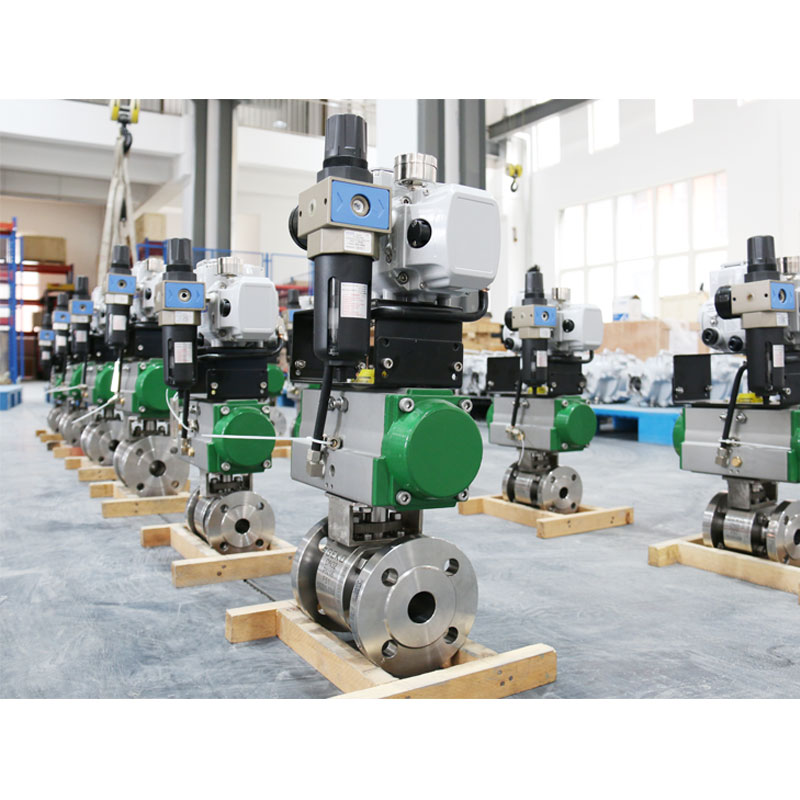
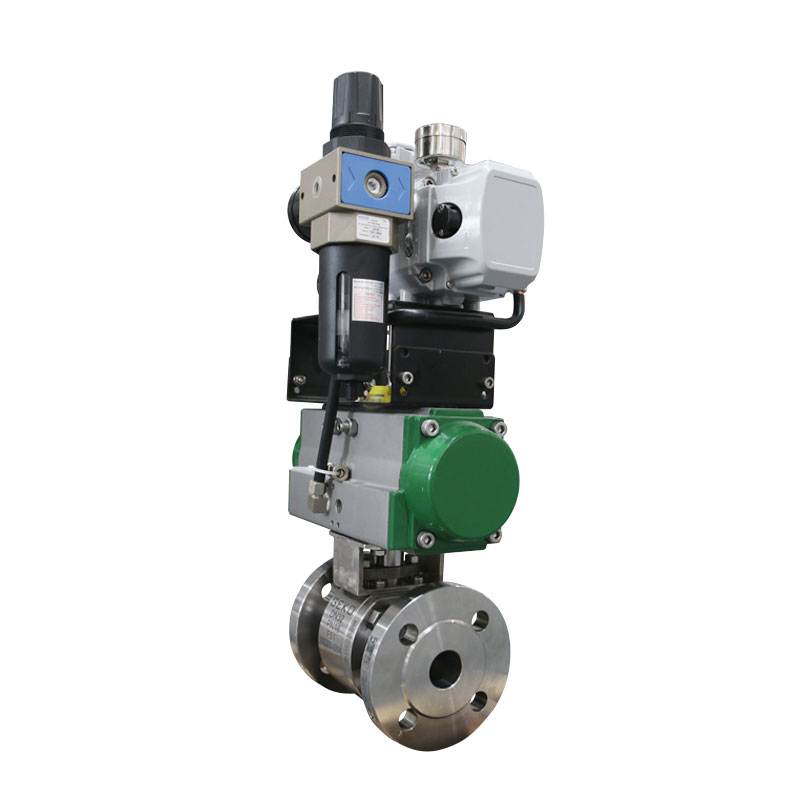
      When it comes to regulating fluid flow in industrial systems, choosing the right type of control valve is crucial. Two primary types of control valves are rotary control valves and linear control valves, both offering distinct advantages depending on the application. This article highlights the key differences between these two types, with a focus on GEKO's Rotary Control Valves, known for their high precision and robust performance.   What is a Rotary Control Valve?   A rotary control valve is a type of control valve that uses rotating components, such as a butterfly valve or ball valve, to regulate fluid flow. The valve operates by rotating the valve core, typically by 90 degrees, to control the fluid’s path. This design is highly efficient, especially for fast-opening or rapid flow control. In contrast, a linear control valve (e.g., globe valves and gate valves) operates with linear motion, where the valve stem moves up or down to open or close the valve. These types of valves are commonly used for precise, smaller adjustments to fluid flow.   Structural Differences: Rotary vs. Linear Control Valves   The design of a rotary control valve is compact and consists of a rotating component (like a butterfly or ball) and a pneumatic or electric actuator. This design allows for smoother, quicker adjustments and is ideal for applications requiring larger flow control with minimal space constraints. In contrast, linear control valves are typically more complex, consisting of several parts, including a valve stem, valve plug, and seat. The movement of the stem controls the opening and closing of the valve, making it suitable for applications that demand fine adjustments but with a more intricate structure.   Operating Principles: Efficiency and Response Time   Rotary control valves, such as those offered by GEKO, regulate flow by altering the cross-sectional area of the flow path through rotating components. This allows for fast response times, making them ideal for applications that require quick on/off switching or continuous flow adjustments. These valves excel in industries such as oil & gas, water treatment, and chemical processing, where quick response and large flow control are critical. On the other hand, linear control valves adjust the flow by moving the valve plug or disk in a linear motion to change the flow area. While they provide high precision and are excellent for fine flow adjustments, they tend to have slower response times, making them more suitable for scenarios where fine control over small flow rates is needed.   Key Performance Characteristics: Flexibility and Precision   Rotary control valves offer several key advantages, including: Wide adjustable range (up to 150:1) High flow capacity Low pressure drop Excellent resistance to cavitation Tight shutoff capabilities These features make rotary control valves perfect for large-diameter pipes, high-flow systems, and applications involving slurries, corrosive media, or those requiring fast shutoff. In comparison, linear control valves excel in precision and linearity. They provide greater accuracy in flow control but have a smaller adjustable range and generally exhibit higher pressure drops. These valves are ideal for applications where fine control over small flows or high-pressure differences is essential, such as in the pharmaceutical and fine chemical industries.   Applications: Which Valve to Choose?   Rotary Control Valves are widely used in industries that require high-flow control or in environments where quick shutoff is necessary. Typical applications include: Refining and chemical processing Water treatment plants Oil & gas industries Handling slurries or aggressive chemicals Linear Control Valves are ideal for situations that demand high-precision control of fluid flow. Common applications include: Pharmaceutical manufacturing Fine chemical production Power plants HVAC systems GEKO’s Rotary Control Valves are designed to meet the demands of industries that require both precision and durability in large-scale flow control. With advanced features and robust construction, GEKO rotary control valves provide a superior solution for applications that involve corrosive substances, high flow rates, and fast actuation.   Conclusion: GEKO’s Rotary Control Valves vs. Linear Control Valves   Both rotary and linear control valves offer distinct benefits, depending on the needs of the application. GEKO's Rotary Control Valves are designed for industries that require quick, large-flow regulation and tight shutoff capabilities. Their compact design and efficient performance make them a top choice for oil & gas, chemical processing, and water treatment systems. In contrast, linear control valves are best for industries where fine flow control and high precision are paramount. Whether you require GEKO’s high-performance rotary control valves for rapid flow adjustments or need a linear valve for precise flow regulation, selecting the right valve type is essential for optimizing system performance. For industries that demand reliability, GEKO Rotary Control Valves are the optimal choice for seamless operation and long-term durability.    
    阅读更多
  • Exploring the Rotary Globe Control Valve: Design, Structure, and Applications
    Exploring the Rotary Globe Control Valve: Design, Structure, and Applications
    Jan 09, 2026
    Comprehensive Guide to the Rotary Globe Control Valve: Design, Structure, and Applications. Discover the design, structure, and applications of the Rotary Globe Control Valve. Learn how this high-precision valve ensures optimal flow control in industries such as chemical processing, oil & gas, and HVAC.   Introduction   The Rotary Globe Control Valve is a vital component in fluid control systems, offering precise regulation of flow, pressure, and temperature. With its superior design and versatility, this valve has become a go-to solution across various industries, including chemical processing, oil & gas, water treatment, and HVAC. In this article, we will explore the design, structure, and applications of the Rotary Globe Control Valve, and how it contributes to optimized flow control.   Design of the Rotary Globe Control Valve   The Rotary Globe Control Valve combines the best features of both rotary and globe valves to offer a unique design that enhances precision and performance. The valve uses a rotary motion to control fluid flow, which is known for its smooth, consistent movement. This design provides an advantage in applications that require fine adjustments and highly accurate control over flow rates. Rotary Motion: The valve’s body typically has a rotary valve plug or ball that rotates to open or close the valve, allowing for smooth control of flow. Precision Adjustment: This valve offers high accuracy in flow regulation, making it ideal for precise applications such as chemical processing, where small changes in flow can have a significant impact. Flow Path Design: The flow path inside the valve is designed for minimal resistance, ensuring that fluids move smoothly without turbulence or obstruction.   Structure of the Rotary Globe Control Valve   The Rotary Globe Control Valve is structured with several critical components that work together to ensure optimal performance and durability. These components include: Valve Body:The body is typically made from durable materials such as 316 Stainless Steel, Monel, or Carbon Steel, depending on the application’s requirements. The robust body ensures the valve can withstand high-pressure, high-temperature, or corrosive environments. Valve Plug:The valve plug is a critical component, typically a rotary ball or plug, that rotates to adjust the valve’s opening. This design allows for better control over flow rates compared to linear motion valves. Actuator:The actuator drives the valve plug’s rotation. It can be powered either pneumatically, electrically, or hydraulically, depending on the system’s needs. The actuator’s responsive movement ensures the valve can adjust quickly to control flow accurately. Sealing Materials:The valve uses high-quality sealing materials, such as PTFE or EPDM, to prevent leakage and maintain system pressure. These materials ensure that the valve operates efficiently and reliably over a long period. Positioner:A positioner may be used to ensure precise positioning of the valve plug and monitor the valve’s performance in real-time. Applications of the Rotary Globe Control Valve   The Rotary Globe Control Valve is widely used in industries that require precise control of fluid flow, especially where minimal deviation in flow rates is essential for process stability. Some of the common applications include: Chemical Processing:In chemical plants, precise flow control is crucial for maintaining the integrity of chemical reactions. The Rotary Globe Control Valve is ideal for adjusting the flow of gases, liquids, and other reactive substances in pipelines and reactors. Oil & Gas:The valve is extensively used in the oil and gas industry to control the flow of oil, gas, and associated fluids through pipelines and processing equipment. The rotary design allows for efficient operation even under high-pressure conditions. HVAC Systems:In heating, ventilation, and air conditioning (HVAC) systems, the Rotary Globe Control Valve plays a crucial role in maintaining airflow and regulating temperature. It helps maintain optimal conditions within buildings by accurately controlling the flow of air or water in heating and cooling systems. Water Treatment:The valve is employed in water treatment plants to regulate the flow of water and chemicals used in filtration and purification processes. It ensures that the water flow remains constant, allowing for efficient treatment. Power Generation:In power plants, the Rotary Globe Control Valve is used in steam and cooling water systems to maintain optimal flow rates, ensuring efficient energy production. Advantages of the Rotary Globe Control Valve   Precise Control:The rotary motion provides better control over flow adjustments, making it ideal for applications where precision is critical. Reduced Wear and Tear:The smooth, continuous rotation reduces friction, minimizing wear on the valve components and extending its lifespan. Versatility:The valve is suitable for a wide range of applications, including high-pressure, high-temperature, and corrosive environments. Easy Maintenance:With fewer moving parts compared to traditional linear valves, the Rotary Globe Control Valve is easier to maintain, reducing operational downtime. The Rotary Globe Control Valve is an essential tool in industries that require precise flow regulation. Its advanced design, durable structure, and versatile applications make it an ideal solution for industries such as chemical processing, oil & gas, water treatment, and HVAC. GEKO’s Rotary Globe Control Valve delivers exceptional performance, ensuring that fluid systems operate efficiently and reliably.
    阅读更多

留言

留言
如果您对我们的产品感兴趣并想了解更多详细信息,请在此处留言,我们会尽快回复您。
提交

主页

产品

接触