The Essential Guide to Ball Valves: Types, Uses, and More | GEKO Valve
Sep 14, 2026
The Essential Guide to Ball Valves: Types, Uses, and More
Ball valves are among the most widely adopted quarter-turn fluid control components in modern industrial piping. Favored for quick 90-degree operation, dependable tight shutoff, compact footprint and long service life, ball valves outperform many traditional valve styles for isolation and flow management. This essential guide breaks down ball valve categories, practical industrial uses, key construction features and helpful buying considerations to assist plant engineers, pipeline designers and procurement specialists in understanding industrial ball valves.
1. Main Types of Ball Valves
Ball valves are classified based on body design, sealing configuration, bore size, end connection and actuation style. Each variant is engineered for distinct operating environments and fluid services.
1.1 Body Construction Styles
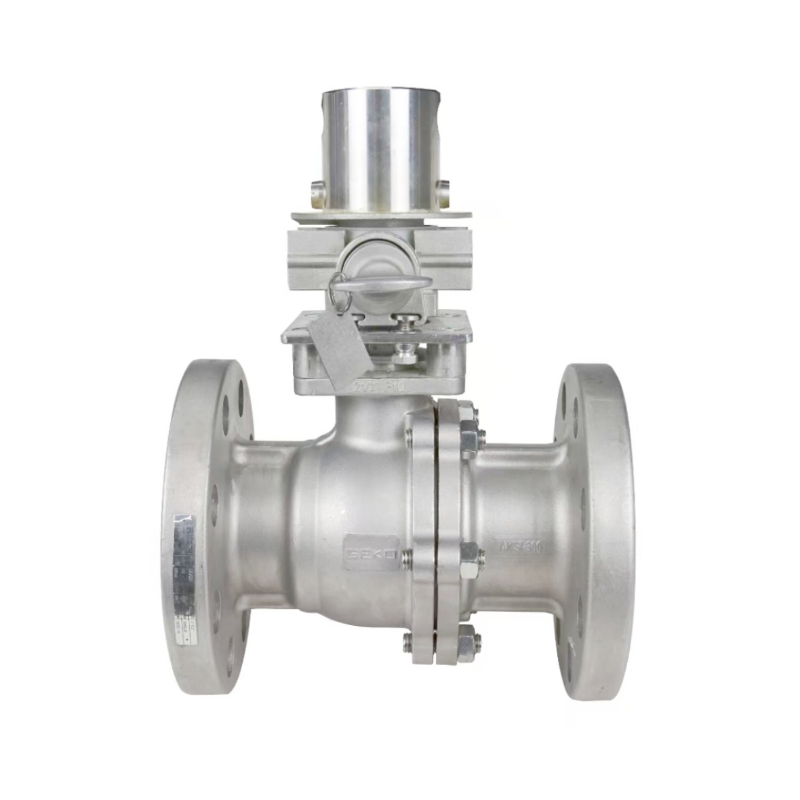
One piece ball valve features a single-piece compact body, ideal for small bore, low-pressure general service with lower cost. Two-piece ball valves consist of two assembled body halves, offering convenient disassembly for inspection and maintenance. Three-piece ball valve allows the core trim to be removed without detaching the valve body from the pipeline, greatly simplifying on-site repair and servicing.
1.2 Sealing & Bore Variants
Soft-seated ball valves deliver bubble-tight shutoff for clean, moderate-temperature media. Metal-seated ball valves handle high heat, high pressure and abrasive slurries. Full bore ball valves maintain an unobstructed flow path for pigging operations, while reduced bore ball valves provide an economical option for standard isolation duties.
1.3 Manual & Automated Ball Valves
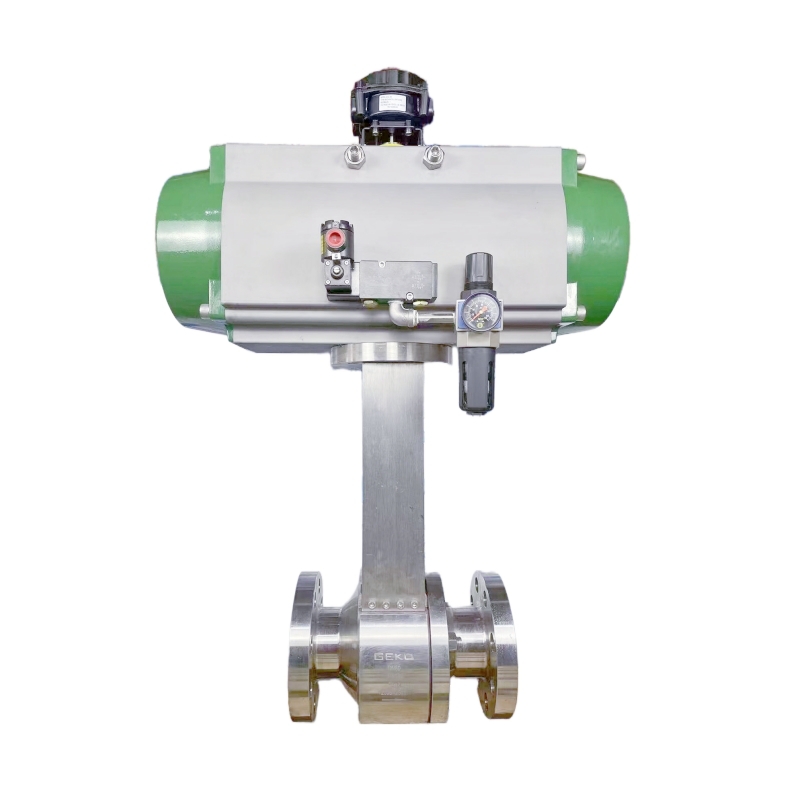
Handwheel or lever operated manual ball valves work well for infrequent operation. Automated versions include pneumatic ball valves and electric ball valves for remote control and continuous process automation.
2. Common Industrial Uses for Ball Valves
Oil and Gas Industry: Ball valves provide reliable pipeline isolation, handling natural gas, crude oil and refined products across upstream, midstream and downstream processes.
Chemical Processing: Corrosion-resistant ball valves manage acids, alkalis and reactive chemicals, protecting piping systems from medium erosion.
Water Treatment & HVAC: Stainless steel and carbon steel ball valves regulate water circulation, wastewater and chilled water lines.
Power Plants: Heavy-duty ball valves control steam, cooling water and process fluid under high temperature and pressure conditions.
Food & Beverage: Sanitary ball valves with polished internal surfaces prevent media contamination and meet hygienic requirements.
3. Key Specifications to Understand
When evaluating ball valves, pay attention to pressure class, temperature rating, body material, seat material and end connections. Flanged ball valves simplify installation and removal. Threaded ball valves suit small auxiliary piping, while butt weld ball valves deliver robust permanent connections for high-pressure process lines.
Media compatibility is critical. For harsh corrosive media, lined ball valves offer reliable protection. For extreme demanding operating environments, severe service ball valves with hardened sealing surfaces are recommended. If partial flow adjustment is required, a modulating ball valve can provide precise flow regulation instead of simple on/off switching. For ultra-low temperature applications, a cryogenic ball valve is specially engineered to preserve sealing performance under cryogenic conditions.
4. Practical Tips for Ball Valve Maintenance
Conduct periodic visual inspection for external leakage at body joints and stem seals.
Test valve operation regularly to prevent sticking caused by sediment buildup.
Select proper seat materials matching your fluid medium to avoid premature seal degradation.
Protect automated actuators from excessive vibration, moisture and extreme ambient temperatures.
5. GEKO Valve Ball Valve Supply
GEKO Valve manufactures a complete range of industrial ball valves including one-piece, two-piece and three-piece designs, with stainless steel and carbon steel body options. We supply cryogenic ball valve, lined ball valve, modulating ball valve and severe service ball valve solutions, along with flanged and butt weld end configurations. Every valve is factory tested to meet global industry standards, supporting reliable pipeline isolation for global industrial projects.
9 Core SEO Keywords: Three Piece Ball Valve, One Piece Ball Valve, Two Piece Ball Valve, Sanitary Ball Valve, Threaded Ball Valve, Ball Valve Trim, Ball Valve Body, High Temperature Ball Valve, Process Isolation Valve
阅读更多






 电子邮件
: info@geko-union.com
电子邮件
: info@geko-union.com
 电子邮件
: info@geko-valves.de
电子邮件
: info@geko-valves.de
 电子邮件
: tw@geko-union.com
电子邮件
: tw@geko-union.com
 电子邮件
: nl@geko-union.com
电子邮件
: nl@geko-union.com

 支持 IPv6 网络