How to Select the Right Ball Valve for Your Application | GEKO Valve
Sep 14, 2026
How to Select the Right Ball Valve for Your Application
Selecting the right ball valve is critical to secure long-term pipeline safety, minimize downtime, and avoid unnecessary replacement costs. With countless valve designs, body materials, sealing options and actuation choices available on the market, many plant engineers and procurement teams struggle to match ball valves to unique process requirements. This practical guide walks you through the core factors to evaluate before purchase, helping you pick a suitable ball valve tailored exactly to your application.
1. Define Your Fluid Medium Properties
The first step in ball valve selection is analyzing the fluid that flows through the pipeline. Media properties directly decide valve body material, seat material and corrosion protection requirements.
Clean non-corrosive media such as water and compressed air: Carbon steel or stainless steel ball valves with polymer seats work perfectly for general isolation service.
Corrosive chemicals, acids and alkalis: Choose corrosion-resistant ball valves made from stainless steel, alloy or lined construction to prevent chemical erosion.
Abrasive media including slurry, mineral particles: Metal hard-seated ball valves are recommended to resist wear and extend service life.
High viscosity or sticky fluids: Special optimized ball cavity design prevents medium buildup and jamming.
2. Confirm Operating Pressure and Temperature Range
Every ball valve has a rated pressure-temperature envelope. Never operate a valve beyond its designated rating, or you risk leakage, seat damage or even structural failure.
For high-pressure process lines, heavy-duty pressure class ball valves are required. For cryogenic services, specially treated low-temperature ball valves maintain sealing performance under extreme cold. For high-temperature steam or hot oil applications, metal seated ball valves are preferred over soft polymer seats which will degrade under heat.
3. Choose Bore Size and End Connection Type
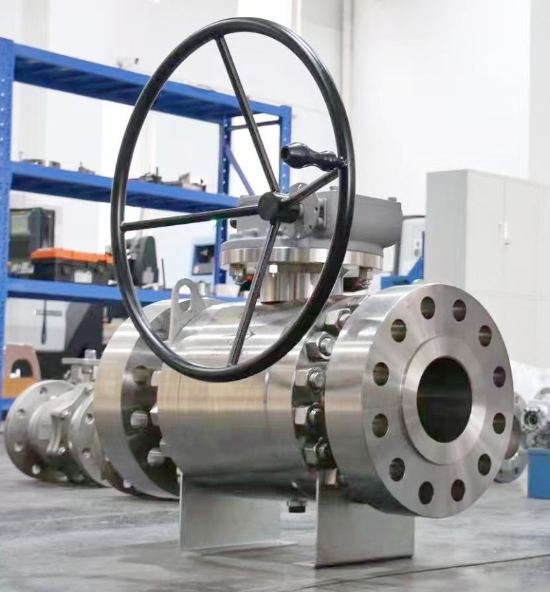
Flow requirement determines whether you need full bore or reduced bore construction. Full bore ball valves deliver unrestricted flow and support pipeline pigging, ideal for high-flow transfer lines. Reduced bore ball valves offer cost savings for standard isolation applications where pressure drop is not a major concern.
Common end connections include flanged ends, threaded ends and butt-weld ends. Flanged ball valves simplify on-site installation and maintenance. Butt-weld ball valves provide superior tightness for high-pressure permanent process pipelines, while threaded ball valves suit small-bore low-pressure auxiliary piping.
4. Pick Suitable Sealing and Body Materials
Seat material selection balances sealing tightness and working condition adaptability. Soft-seated ball valves deliver bubble-tight shutoff at moderate temperatures, while metal-seated ball valves withstand extreme temperature and abrasive service.
Common body materials include A105 carbon steel, 304 stainless steel and 316 stainless steel. Special alloy options are available for severe corrosive or high-temperature applications.
5. Select Manual or Automated Actuation
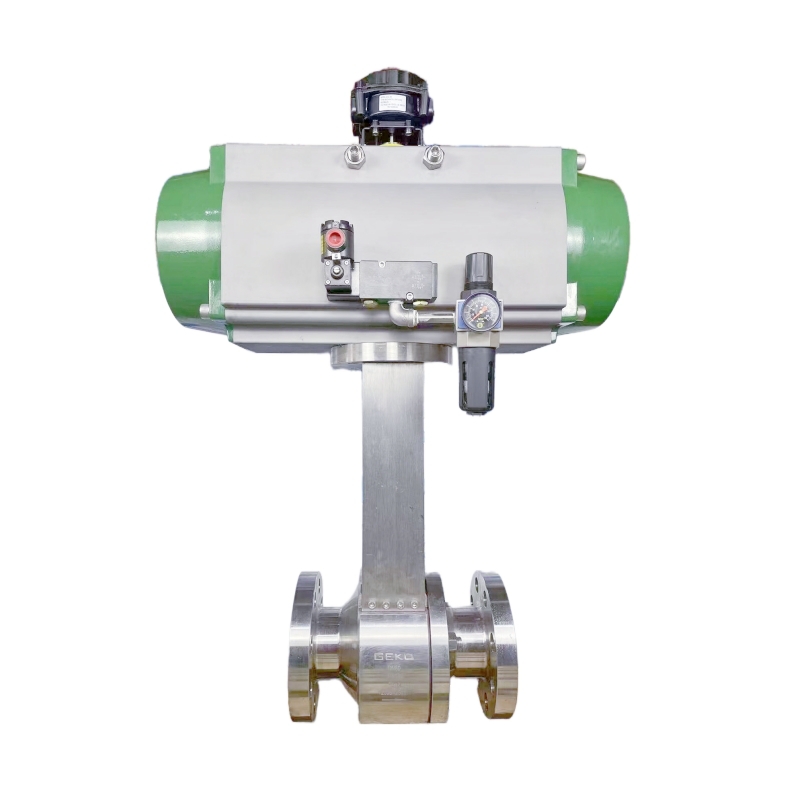
Consider operation frequency and control method for your site. Manual ball valves with lever or gear handles are economical for infrequent on-site operation. For automated process plants, pneumatic ball valves and electric ball valves enable remote on-off or modulating control. Pneumatic actuators are widely used in explosion-risk environments, while electric actuators are convenient for unmanned stations without compressed air supply.
6. Review Industry Standards and Certification
Always verify relevant industry standards before finalizing your valve specification. API, ASME and ISO certified ball valves follow strict manufacturing and test protocols, ensuring consistent quality for oil & gas, chemical and power projects. For special industries such as water or fire protection, check if additional approvals are mandatory.
7. Avoid Common Ball Valve Selection Pitfalls
Selecting valve only by nominal size without checking pressure-temperature rating
Using soft seats in high-temperature or abrasive slurry applications
Ignoring medium corrosion and choosing incompatible body material
Mismatched end connection leading to assembly trouble on site
Under-sizing actuator torque, causing valve failing to open or close
GEKO Valve Custom Ball Valve Solutions
GEKO Valve supplies custom and standard ball valves to match diverse application requirements. Our engineering team reviews your medium, temperature, pressure and control needs to recommend the most cost-effective ball valve solution. All valves undergo factory pressure testing to guarantee reliable performance for your industrial piping systems.
9 Core SEO Keywords: Cryogenic Ball Valve, Butt Weld Ball Valve, Flanged Ball Valve, Lined Ball Valve, Modulating Ball Valve, Severe Service Ball Valve, Stainless Steel Ball Valve, Carbon Steel Ball Valve, Pipeline Isolation Valve
阅读更多






 电子邮件
: info@geko-union.com
电子邮件
: info@geko-union.com
 电子邮件
: info@geko-valves.de
电子邮件
: info@geko-valves.de
 电子邮件
: tw@geko-union.com
电子邮件
: tw@geko-union.com
 电子邮件
: nl@geko-union.com
电子邮件
: nl@geko-union.com

 支持 IPv6 网络