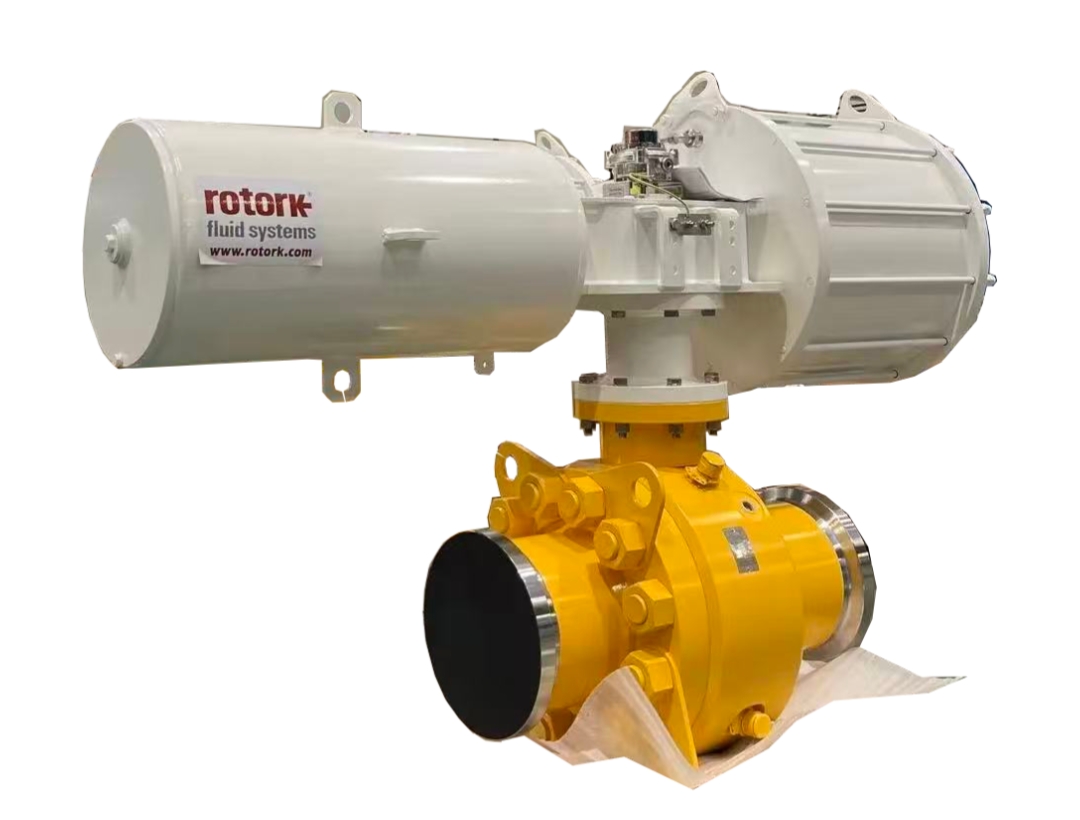
motorized ball valve

主页

motorized ball valve

  • How to Select the Ideal Actuated Ball Valves for Automation | GEKO Valve
    How to Select the Ideal Actuated Ball Valves for Automation | GEKO Valve
    Aug 16, 2026
    How to Select the Ideal Actuated Ball Valves for Automation Actuated ball valves – also widely known as pneumatic ball valve and electric ball valve assemblies – deliver automated on/off or modulating flow control for modern industrial piping, eliminating manual operation and supporting remote SCADA, PLC and DCS integration. Choosing the right automated ball valve requires more than pairing a ball valve body with any actuator; engineers must evaluate valve construction, torque requirements, actuator type, communication signals, hazardous-area ratings and cycle life. Whether your project uses floating ball valve, trunnion mounted ball valve, full port ball valve or reduced port ball valve designs, the correct assembly balances reliability, safety and long-term uptime. GEKO Valve supplies pre-tested pneumatic actuated ball valve and motorized ball valve packages, engineered for chemical, power, water treatment, oil & gas and process automation systems. 1. Define Core Process and Automation Requirements First Start by clarifying the valve’s function: simple on/off isolation or continuous modulating control. Document flow media, operating pressure, temperature, fluid viscosity and chemical compatibility. These parameters directly determine required ball valve actuator torque, material selection and sealing type. For erosive, high-temperature or sour media, a metal seated ball valve is often necessary, while soft-seated variants suit clean, low-temperature service. Also confirm cycle frequency: intermittent batch duty demands different actuator durability than high-cycle continuous automation. When sourcing, buyers may encounter alternate industry terms including pneumatic operated ball valve and electric actuated ball valve – these refer to the same core automated ball valve categories. How to avoid misselection: Capture maximum differential pressure at shutoff, as this is the primary input for calculating breakaway ball valve actuator torque. Do not rely solely on nominal valve size to specify your pneumatic ball valve or electric ball valve. 2. Pick the Right Ball Valve Body Style and Bore Configuration The base ball valve design sets the baseline torque, flow capacity and pressure drop. A full port ball valve minimises industrial ball valve pressure drop and allows pipeline pigging, ideal for transfer lines. A reduced port ball valve is compact and cost-effective when moderate pressure loss is acceptable. A floating ball valve works well for smaller sizes and lower pressure classes, while heavy-duty trunnion mounted ball valve handles large NPS, high-pressure and high-torque applications such as pipeline ball valve automation, commonly built as pneumatic operated ball valve or motorized ball valve packages. How to avoid misselection: Match bore size to required Cv via proper ball valve Cv calculation instead of defaulting to pipe size, especially for modulating electric actuated ball valve control packages. 3. Select Actuator Type: Pneumatic Ball Valve vs Electric Ball Valve Pneumatic ball valve (also labelled pneumatic actuated ball valve / pneumatic operated ball valve) is widely preferred for fast stroking, high-torque and explosion-proof environments; they rely on instrument air and are common in chemical and refinery plants. Spring-return pneumatic variants provide fail-open or fail-close safety action. Electric ball valve, also called motorized ball valve or electric actuated ball valve, suits sites without reliable compressed air, offers precise positioning for modulating service, and integrates easily with 4–20mA, Modbus or other digital automation protocols. How to avoid misselection: Confirm available power supply or instrument air quality, and define fail-safe action early in the datasheet. Never undersize the actuator for breakaway torque at maximum operating differential pressure for either pneumatic operated ball valve or motorized ball valve. 4. Verify Torque Matching and Safety Margin Torque mismatch is one of the top failure points for automated assemblies. The actuator output torque must exceed the valve’s breakaway torque with a suitable safety margin, accounting for cold media, sticky fluids, seat friction and cyclic wear. A trunnion mounted ball valve and large pipeline ball valve require significantly higher torque than small floating ball valve units, whether configured as pneumatic ball valve or electric ball valve. Always reference manufacturer torque curves at design differential pressure, not just nominal static conditions. How to avoid misselection: Use calculated ball valve actuator torque values plus a 25%–50% safety margin for challenging service, and witness stroke testing during FAT for your pneumatic actuated ball valve or electric actuated ball valve. 5. Specify Sealing, Material and Hazardous Area Ratings Seat selection impacts automation reliability and leakage performance. Soft seats (PTFE, RTFE) deliver bubble-tight shutoff for clean media, while a metal seated ball valve handles high temperature, abrasive slurry and fire-safe requirements. Confirm body, ball and stem materials match the process fluid to prevent corrosion. For explosive environments, specify ATEX, IECEx or CSA hazardous area certification for actuators, solenoids and positioners on pneumatic operated ball valve and motorized ball valve assemblies. How to avoid misselection: Cross-check material compatibility charts and fugitive emission requirements for toxic or volatile media when selecting pneumatic ball valve or electric ball valve. 6. Define Instrument Accessories for Automation Integration Basic pneumatic actuated ball valve assemblies may only need limit switches, while closed-loop modulating control requires positioners, solenoid valves, air filter regulators and position transmitters. Limit switches provide discrete feedback to PLCs to confirm open/closed status; smart positioners deliver continuous 4–20mA or digital signal feedback for precise flow regulation. For electric actuated ball valve / motorized ball valve, auxiliary switches and modulating signal boards are common add-ons. These accessories must match the actuator type, area classification and control system protocol. How to avoid misselection: List all required feedback and control signals in the RFQ to ensure the complete pneumatic operated ball valve or electric ball valve package arrives pre-assembled, calibrated and ready for commissioning. 7. Confirm Cycle Life, Testing and Documentation High-cycle automated systems demand validated cycle life testing. Request Factory Acceptance Test (FAT) reports including stroke time, torque verification, leakage test and signal response. Reputable suppliers pre-assemble, calibrate and test the full pneumatic ball valve or electric ball valve assembly before shipment, reducing on-site alignment issues. For critical pipeline ball valve packages, witness testing and third-party inspection may be required for motorized ball valve and pneumatic actuated ball valve options. How to avoid misselection: Require MTRs, torque certificates and FAT records for all pneumatic operated ball valve and electric actuated ball valve packages. Step-by-Step Selection Workflow for Actuated Ball Valves Define function: on/off isolation or modulating control, plus fail-safe requirement; choose between pneumatic ball valve or electric ball valve Collect process data for ball valve Cv calculation and torque estimation Choose valve style: floating ball valve or trunnion mounted ball valve; select full port ball valve or reduced port ball valve Select seat type: soft-seated or metal seated ball valve Pick actuator package: pneumatic actuated ball valve / pneumatic operated ball valve or electric actuated ball valve / motorized ball valve, sized for required ball valve actuator torque Add accessories: solenoid, positioner, limit switches, filter regulator as needed Validate industrial ball valve pressure drop, area certification and material compatibility Specify FAT, stroke testing and documentation before order release How GEKO Valve Supports Automated Ball Valve Packages GEKO Valve supplies fully assembled and tested pneumatic ball valve and electric ball valve packages for industrial automation. Our portfolio includes pneumatic actuated ball valve / pneumatic operated ball valve as well as electric actuated ball valve / motorized ball valve, built on floating ball valve and heavy-duty trunnion mounted ball valve platforms, available as full port ball valve or reduced port ball valve, with soft-seat and robust metal seated ball valve configurations. We complete ball valve Cv calculation and torque verification to match ball valve actuator torque to your actual process differential pressure, including critical pipeline ball valve automation packages. Every pneumatic operated ball valve and motorized ball valve assembly is stroke-tested prior to dispatch, helping integrators and plant teams reduce commissioning delays and control unwanted industrial ball valve pressure drop. Final Selection Checklist Clarify on/off or modulating control plus fail-safe position requirement; select pneumatic ball valve or electric ball valve Run ball valve Cv calculation and confirm industrial ball valve pressure drop Select floating ball valve or trunnion mounted ball valve; specify full port ball valve or reduced port ball valve Choose soft seat or metal seated ball valve based on media, temperature and leakage limits Size actuator with validated ball valve actuator torque and adequate safety margin for pneumatic actuated ball valve or electric actuated ball valve Add required positioners, solenoids or limit switches for PLC/SCADA automation on pneumatic operated ball valve or motorized ball valve Confirm hazardous area certification and FAT for critical pipeline ball valve assemblies Properly specified pneumatic ball valve and electric ball valve assemblies deliver stable, repeatable automated flow control, reduce manual intervention and support safer, more efficient process plant operation.  
    阅读更多

留言

留言
如果您对我们的产品感兴趣并想了解更多详细信息,请在此处留言,我们会尽快回复您。
提交

主页

产品

接触