你要买什么?

Chemical processing plants, desalination facilities, offshore platforms, wastewater treatment stations and mineral processing factories operate with aggressive acidic, alkaline, chloride-rich, oxidizing and brine media. Ordinary carbon steel or standard 304 stainless steel ball valves will suffer pitting, crevice corrosion, stress corrosion cracking and rapid wall thinning within a short service cycle, triggering fluid leakage, pipeline shutdown and even safety hazards. Therefore, sourcing professional corrosion resistant ball valves tailored for harsh chemical working conditions becomes a core procurement task for process engineers and project purchasers.

Corrosion resistant ball valves also go by multiple industry aliases in global procurement markets: chemical resistant ball valves, anti-corrosion ball valves, aggressive media service ball valves, acid and alkali resistant ball valves, chloride resistant ball valves. This guide systematically sorts out body alloy grades, internal trim materials, sealing configurations, structural designs and compliance standards you need to verify during inquiry, helping you lock in durable, cost-effective anti-corrosion valve solutions.

The valve body is the primary pressure-bearing barrier against corrosive fluids. Different alloy materials have completely different resistance to acids, alkalis, salt water and chemical solvents. Below are all mainstream grades with their alternative designations and applicable media:
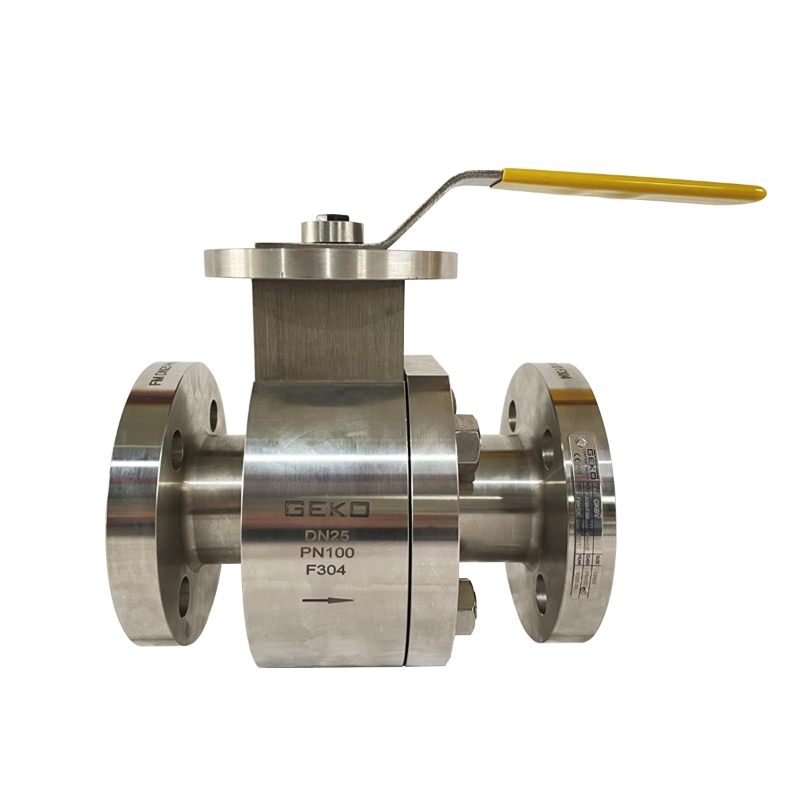
Common names: A182 F316 ball valve, molybdenum alloy stainless steel ball valve. The molybdenum component greatly improves resistance to chloride ions, dilute sulfuric acid, phosphoric acid and salt spray. 316L low-carbon version avoids intergranular corrosion after welding, widely used in general chemical dosing lines, wastewater and mild corrosive organic solvents. It is the baseline anti-corrosion option for medium-level chemical environments.

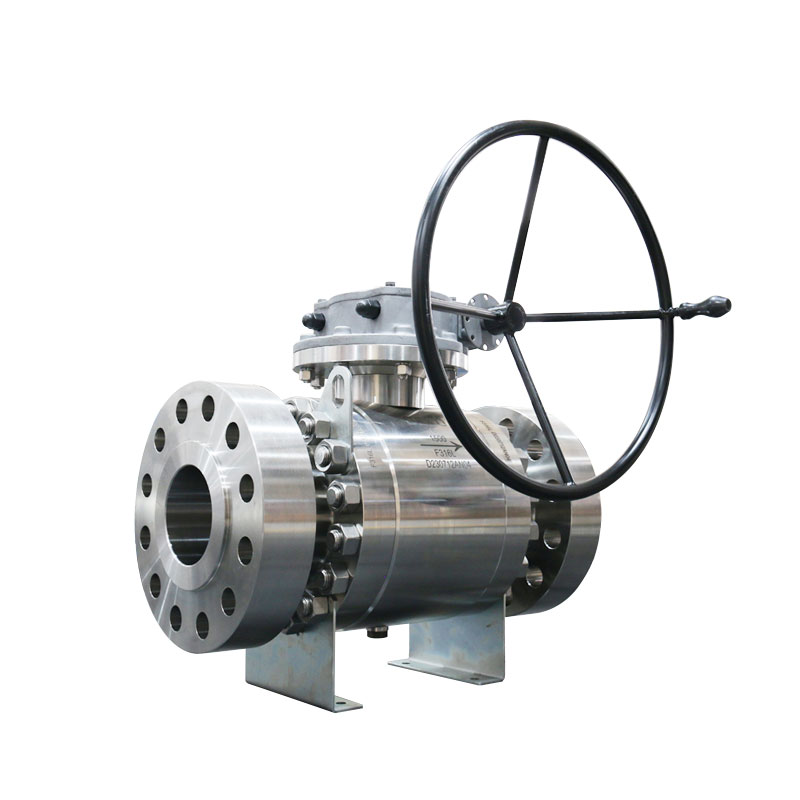
Alias: UNS S32205 duplex steel ball valve, two-phase stainless steel ball valve. Balances high mechanical strength and outstanding chloride corrosion resistance, effectively resists brine, brackish water, seawater and moderate acid-alkali solutions. It outperforms 316 stainless steel in anti-pitting and anti-stress cracking performance, the standard choice for desalination and coastal chemical plants.
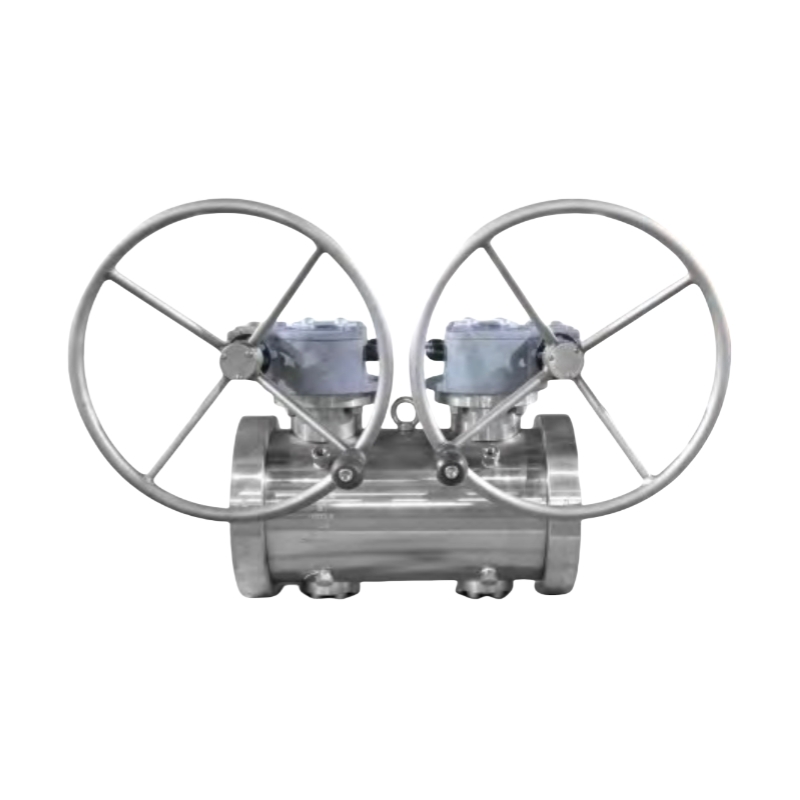
Alias: UNS S32750 super duplex ball valve. Higher chromium, molybdenum and nitrogen content than 2205 duplex steel, suitable for concentrated brine, high-temperature seawater and heavily polluted chemical wastewater. It serves offshore marine engineering and harsh salt-rich process piping.
For strong corrosive media such as concentrated hydrochloric acid, hydrofluoric acid and strong oxidants, alloy materials are too costly. Lined ball valves use carbon steel or cast steel outer shell with full internal lining as the anti-corrosion layer:
The lining completely isolates the metal substrate from corrosive fluid, achieving full chemical inertness and significantly lowering procurement budget for large-bore chemical pipelines.
Even with premium alloy bodies, improper ball and seat materials will lead to premature failure in harsh chemical environments. Internal trim and sealing components must be chemically compatible with the flowing medium:
Flanged RF corrosion resistant ball valve, Butt Weld BW alloy ball valve, Socket Weld SW lined ball valve, Tri-Clamp sanitary anti-corrosion ball valve for pharmaceutical and food-grade corrosive additives.
- Blow-out proof stem structure - Anti-static device for flammable and explosive chemical vapor - Locking device to avoid misoperation - Double Block and Bleed (DBB) function for toxic media isolation - Fire-safe design in accordance with API 607 standard
When sourcing for global chemical plants, verify these mandatory documents to pass third-party inspection: 1. Material Test Report (MTR) with heat number traceability for alloy and superalloy bodies 2. API 6D certification for petrochemical and chemical heavy-duty transmission lines 3. CE PED module certification for EU market import clearance 4. Fire-safe test certificate API 607 5. Non-destructive testing (NDT) report for alloy valve casting and forging parts
Sourcing qualified corrosion resistant ball valves for harsh chemical environments centers on precise material grading: 316L stainless steel for mild corrosion, 2205/2507 duplex steel for chloride and seawater service, Hastelloy, Inconel and Monel superalloys for ultra-strong corrosive media, plus PTFE/PFA lined ball valves as an economical large-caliber alternative. Combined with matched anti-corrosion trim, chemical-compatible sealing materials, full bore anti-clogging structure and complete industry certifications, these specifications can maximize valve service life and eliminate unplanned downtime in aggressive chemical process systems.
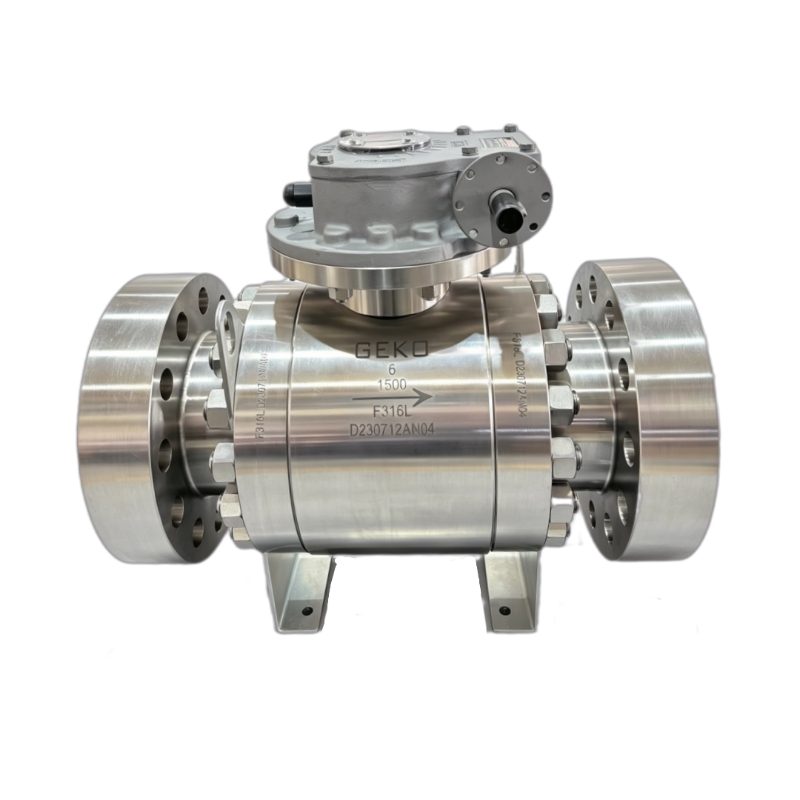
GEKO Valve manufactures a full range of corrosion resistant ball valves including duplex steel, super alloy and PTFE lined versions, with customizable bore size, sealing configuration, actuator assembly and safety accessories to serve chemical, desalination, offshore marine, wastewater and pharmaceutical industrial clients worldwide.